Why Photorealistic Visualization Matters for Product Designs
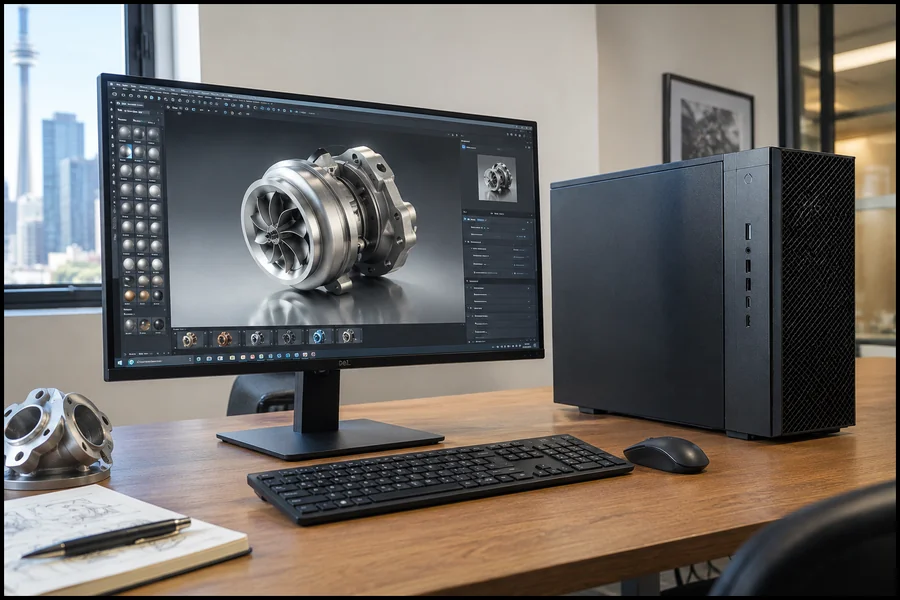
The product may appear right in the CAD file, but it will be perceived differently as the final object. The information in flat digital images is always open to interpretation, particularly during stages when the designer needs to make a decision on material, finish, proportioning, and illumination. With photorealistic visualization, one is able to see a product in a realistic digital environment before creating its prototype. This provides more clarity for the businessmen who want to go into production.
1. Photorealistic Visualization Reveals Design Issues Early
The process of photorealistic visualization provides an opportunity to see the design details prior to manufacturing. The realistic picture will help one to evaluate proportions, curves, edges, surfaces, and the general shape of the design. What appears to be a minor issue when looking at the design in the form of a simple CAD drawing turns out to be evident in the case of a realistic finished product representation.
The earlier one sees the issues, the better. Design adjustments are always easier to perform in the digital environment than later on in the course of manufacturing. It may become obvious that there is a wrong ratio, a wrong shape, or even some imbalance in the visual elements of the design before putting any financial investment into creating real-life prototypes.
The realistic visualization will help in figuring out if the design of the product properly represents the intended concept.
2. Realistic Lighting Shows Materials and Finishes Clearly
The photorealistic visualization can reveal how the product behaves when illuminated. The use of a KeyShot CPU rendering workstation can allow for realistic evaluation of such things like lighting, reflections, shadows, and even surface textures, which is especially important in cases when the product’s design is dependent upon surface appearance.
The choice of materials can influence perception of the product substantially. The brushed metal, polished plastic, glass, rubber, painting, and other material surfaces can behave differently under one and the same light conditions. Through the aid of photorealistic visualization, one can be able to analyze such elements before creating the real object.
Light can expose some of the elements that cannot be fully shown through a simple digital model. The reflection of light can highlight some surface defects, while shadows can change its shape and contour.
3. Faster Iteration Makes Design Changes Easier
Product development generally comes with many modifications along the way. This might involve changing a color, switching out a material, or refining a shape following the analysis. Making new physical samples every single time may seriously slow down the whole process.
Digital photorealistic visualization enables designers to make these adjustments without having to build any physical samples. They can change materials, surfaces, colors, lights, and geometries and then see how the changed version looks without creating another sample.
This approach ensures that the comparison process becomes easier. A number of designs can be created, and from among all the designs, the best one suited for the product can be selected.
From Faster Design Changes to Better Product Decisions
The value of photorealistic visualization extends beyond making attractive product images. After getting realistic visuals, they will turn out to be a good working tool for evaluating other options and decision-making before production takes place physically.
4. Photorealistic Visualization Reduces Early Prototyping Needs
Physical prototypes continue to have their utility, but it does not mean that there is always a need to start with them when making any visual choices. An accurate digital model is able to give answers to most of the questions related to appearance without even buying the materials or making samples.
It means that there is no need to make physical prototypes several times when developing the design in its early stage. Digital models can be used by people working on a project to consider various options in terms of color, material, finish, and configuration.
And what is more important, it means saving time. There is no need to waste it on prototypes when you can test something using digital models.
5. Design Options Can Be Compared More Effectively
Evaluating design alternatives is not an easy task when all the choices are in the form of technical drawings only. Photorealism provides a more tangible ground for evaluation by comparing designs using a common visual medium.
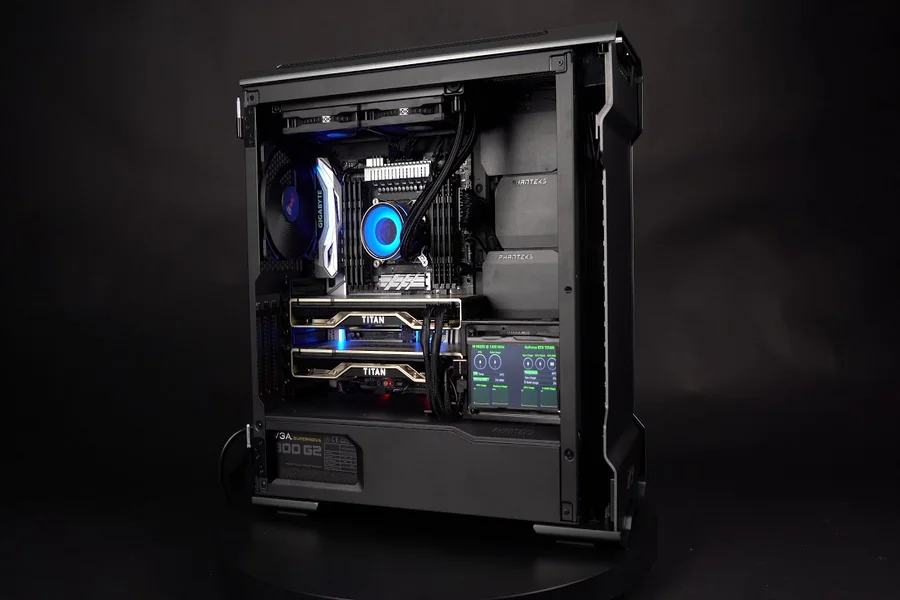
For instance, one can compare the various surface finish options without altering the actual product. The Keyshot Intel Ultra workstation can be used in cases where there is a need for high-end rendering of product design to be evaluated.
A visual approach to comparing design alternatives ensures that the discussion is centered around one thing. There will be no need to imagine what the product will look like as photorealistic visuals help to evaluate the options better.
6. Stakeholders Understand the Product More Clearly
Not everybody among the stakeholders’ representatives works on CAD models daily. Although technical drawings and engineering illustrations have all the necessary information organized in a way, they do not give an understanding of what the final product will look like.
Photorealistic visualization gives such an opportunity. The representatives of management, marketing specialists, investors, and other decision-making parties may get an idea of what sort of product is to be designed.
The review of the design project becomes much easier because all questions related to appearance, materials, proportions, and finishings can be answered based on one picture.
7. Product Appearance Can Be Refined Before Manufacturing
The manufacture of products can be costly when it is found that there are visual issues after the product is in production.
Photorealistic visualization enables product designers to evaluate the visual appearance of the product before getting stuck in a particular manufacturing direction.
Such an evaluation will enable one to realize if the materials will harmonize, if a particular finish looks good, or whether the design elements have been made too visible due to the lighting conditions.
By doing so, there will be more correlation between the design and the final look of the product.
Turning Visual Realism Into Better Product Design
The importance of photorealistic visualization lies in providing designers with a better understanding of decisions that may be hard to make through standard digital visualization. Form, material, light, finish, and different design options of designing can be assessed prior to manufacturing the actual product.
For the owners of businesses and other decision makers, this will provide better opportunities when making decisions at critical moments of the development of the product. This is how ideas can be improved, and assumptions about the future look of the product can be avoided.
When it comes to being an integral part of the design process rather than a tool for presenting it, photorealistic visualization becomes a way of connecting digital and physical realities of a product. Render farms and workstations offered by Cloud Ninjas can help with this process.