Top Benefits and Uses of a Portable Stage
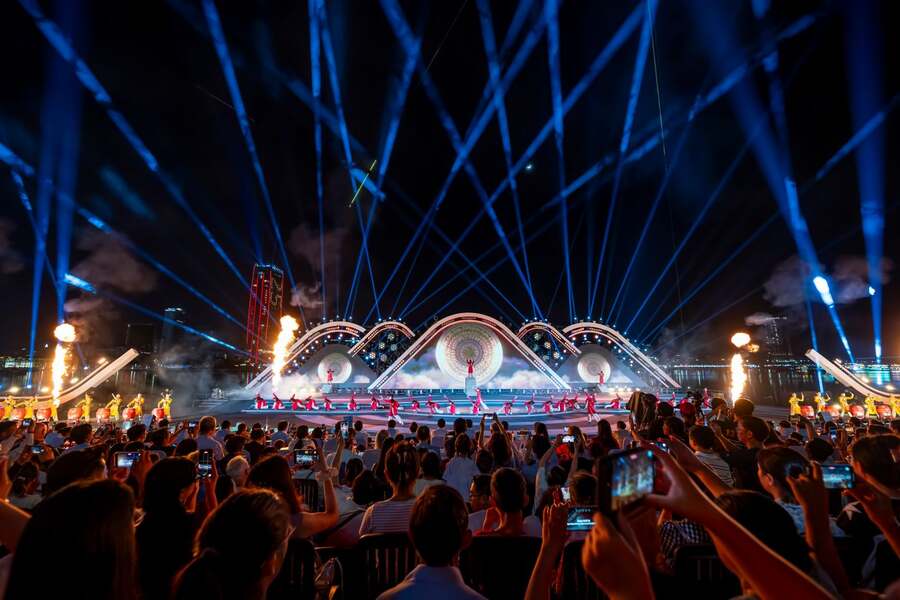
In the realm of events and performances, a portable stage offers unparalleled flexibility and convenience. As demands for versatile event setups grow, portable stages have become an essential component for organisers, performers, and facilitators. Their design facilitates easy transport, quick assembly, and adaptation to various locations, making them an invaluable investment.
What is a Portable Stage?
A portable stage is a modular platform designed for easy transport and assembly. Unlike permanent structures, portable stages can be set up and dismantled efficiently, making them suitable for a broad range of venues. They are constructed with lightweight materials that do not compromise on stability and safety standards.
Advantages of Using a Portable Stage
Flexibility in Location and Layout
One of the most significant benefits of a portable stage is the ability to relocate and configure it according to specific event needs. Whether an event takes place indoors or outdoors, a portable stage can be adapted to fit the available space. This flexibility ensures that organisers are not limited by fixed stage locations and can create a suitable environment for performances or presentations.
Ease of Setup and Dismantling
Portable stages are designed for rapid assembly and takedown. This advantage saves time and labour costs during event preparations and post-event clear-up. Their modular design allows for stacking and compact storage, reducing the logistical burden associated with transporting traditional stage setups.
Cost-Efficiency
Investing in a portable stage can be cost-effective over time. By eliminating the need to rent or build new stages for each event, organisations can reduce expenses. Additionally, their durability ensures a longer service life, maximising value for money.
Customisable Size and Height
Portable stages come in various sizes and can be extended or retracted to match audience requirements. Adjustable height options further enhance their adaptability, ensuring visibility and engagement regardless of venue constraints.
Durability and Safety
Despite being lightweight for ease of movement, portable stages are engineered to meet stringent safety standards. Materials such as aluminium and high-quality wood composites are often used, providing robust support for performers and equipment alike.
Common Uses of Portable Stages
Live Performances and Concerts
Musicians and entertainers frequently utilise portable stages to bring their acts to diverse venues. The ability to transport the stage effortlessly facilitates touring and enables performances in unconventional spaces, broadening audience reach.
Corporate Events and Presentations
In the corporate sector, portable stages serve as platforms for speeches, product launches, and conferences. Their professional appearance and functional design contribute to a polished event atmosphere, fostering engagement and effective communication.
Community and Cultural Events
Local celebrations, festivals, and cultural gatherings benefit from the portability and customisation of these stages. They accommodate a variety of performances, workshops, and ceremonies, supporting community participation and enrichment.
Educational and School Functions
Schools and educational institutions utilise portable stages for assemblies, plays, and graduations. Their adaptability allows institutions to maximise use of multipurpose spaces without permanent installations.
Sporting Events
During award ceremonies or announcements, portable stages offer a practical solution for presenting athletes and dignitaries. Their mobility permits setups near sports fields or within arenas, enhancing spectator experience.
Considerations When Selecting a Portable Stage
Weight Capacity
It is crucial to assess the expected load on the stage, including equipment and the number of performers. Ensuring the stage can support this weight maintains safety throughout the event.
Surface Material and Finish
The stage surface should provide adequate grip and resistance to wear. Non-slip finishes and weather-resistant materials are preferable for outdoor applications.
Assembly Mechanism
Choosing a stage with straightforward assembly mechanisms reduces setup time and minimises the need for specialised personnel.
Storage and Transportation
Consider the storage space available and transportation methods. Portable stages that fold or stack compactly are advantageous for limited storage facilities.
Compliance with Safety Standards
Verify that the stage meets local safety regulations and standards, which may vary depending on the event location and type.
Enhancing Event Production with a Portable Stage
Incorporating a portable stage into event planning significantly improves logistical efficiency. It enables organisers to focus on other aspects such as lighting, sound, and audience engagement, knowing that the core infrastructure is reliable and adaptable.
Furthermore, portable stages can be paired with additional modular components such as ramps, railings, and skirting to meet accessibility and aesthetic requirements. This customisation ensures inclusivity and contributes to a professional presentation.
Conclusion
The portable stage stands out as an indispensable tool for a wide array of events and venues. Its benefits include flexibility, cost-effectiveness, ease of setup, and safety. When chosen with consideration for specific event needs and safety compliance, a portable stage elevates the execution and impact of performances, presentations, and gatherings.
As event environments continue to evolve, investing in a portable stage delivers both immediate and long-term advantages, enabling organisers to adapt swiftly and efficiently to new challenges.