Essential Guide to Lactic Acid Skincare Benefits
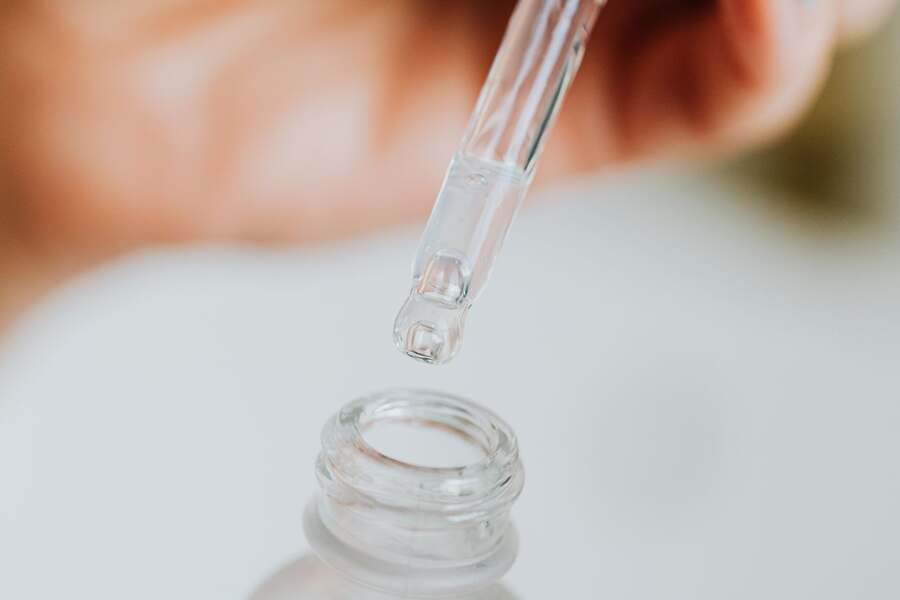
Lactic acid is a popular ingredient in modern skincare, renowned for its effectiveness and gentleness compared to other chemical exfoliants. As an alpha hydroxy acid (AHA), it plays a crucial role in improving the skin’s texture and appearance. This guide explores the various benefits of lactic acid in skincare and why it has become a staple in many skincare routines.
What is Lactic Acid?
Lactic acid is an AHA derived from milk and other natural sources. Unlike its counterpart glycolic acid, which has a smaller molecular size and penetrates deeper, lactic acid is slightly larger, making it less irritating and more suitable for sensitive skin types. It works by loosening the bonds between dead skin cells, encouraging their natural shedding, and promoting cell renewal.
How Lactic Acid Functions in Skincare
The primary role of lactic acid in skincare is exfoliation. By breaking down the connections between dead skin cells, lactic acid facilitates their removal, which leads to smoother, brighter, and more even-toned skin. This exfoliation process also helps to unclog pores, reducing the risk of breakouts.
Benefits for Skin Texture and Tone
Regular use of lactic acid can improve skin texture by encouraging the growth of new cells and minimizing roughness. This results in a clearer complexion with diminished fine lines, wrinkles, and hyperpigmentation. Lactic acid also promotes a more even skin tone by accelerating the removal of pigmented dead skin cells that contribute to dullness and discoloration.
Hydration Effects
Interestingly, lactic acid offers hydration benefits beyond exfoliation. It acts as a humectant, attracting moisture to the skin and helping to maintain hydration levels. This dual action makes it particularly advantageous for individuals with dry or sensitive skin, who might otherwise find exfoliation irritating.
Suitability for Different Skin Types
Due to its mild nature, lactic acid is suitable for a wide range of skin types. Sensitive skin can benefit from its exfoliating properties without suffering excessive dryness or irritation. Those with oily or acne-prone skin may find lactic acid useful as it helps keep pores clear and reduces inflammation. Even mature skin can benefit from its anti-ageing effects.
Comparison with Other Alpha Hydroxy Acids
While glycolic acid is often the preferred choice for more intensive exfoliation, lactic acid offers a gentler alternative. Its larger molecular structure means it works more slowly and less invasively, reducing the likelihood of redness or stinging. This can make it a preferable option for first-time users or those with reactive skin.
Lactic Acid in Skincare Products
Lactic acid appears in various skincare formulations, from cleansers and toners to serums and moisturisers. Concentrations typically range from 2% to 10%, with lower percentages suited for daily use and higher percentages reserved for periodic treatments under professional guidance.
For those new to lactic acid skincare, starting with lower concentrations is advisable to allow the skin to adapt. Gradually increasing frequency and strength can yield optimal results without overwhelming the skin’s barrier.
Safety and Usage Guidelines
When incorporating lactic acid into a skincare routine, it is essential to consider sun sensitivity. AHAs exfoliate the skin, potentially increasing vulnerability to UV damage. Therefore, daily use of a broad-spectrum sunscreen is critical when using lactic acid products. Avoiding simultaneous use of other potent exfoliants or retinoids without professional advice is also recommended to prevent irritation.
Additional Skin Concerns Addressed by Lactic Acid
Beyond general exfoliation and hydration benefits, lactic acid also helps manage specific skin concerns. These include reducing acne scars, improving keratosis pilaris, and softening rough patches such as those found on elbows and knees. Its ability to promote collagen synthesis further supports skin firmness and elasticity.
Professional Treatments Involving Lactic Acid
In clinical settings, lactic acid is often employed as a chemical peel agent. These treatments use higher concentrations to resurface the skin more intensively and address advanced issues such as severe pigmentation and scarring. Such procedures should only be performed by trained professionals.
Conclusion
Lactic acid is a versatile and effective ingredient in the realm of skincare. Its exfoliating, hydrating, and anti-ageing properties make it suitable for addressing a variety of skin concerns while remaining gentle enough for sensitive skin. The growing availability of lactic acid skincare products allows individuals to safely incorporate this ingredient into their daily routines.
Understanding the specific benefits and correct usage of lactic acid can help optimise skin health and appearance, rendering it an essential component for those seeking smoother, clearer, and more hydrated skin.