Why Missed Calls Are Killing Your Small Business (And How to Stop the Bleed)
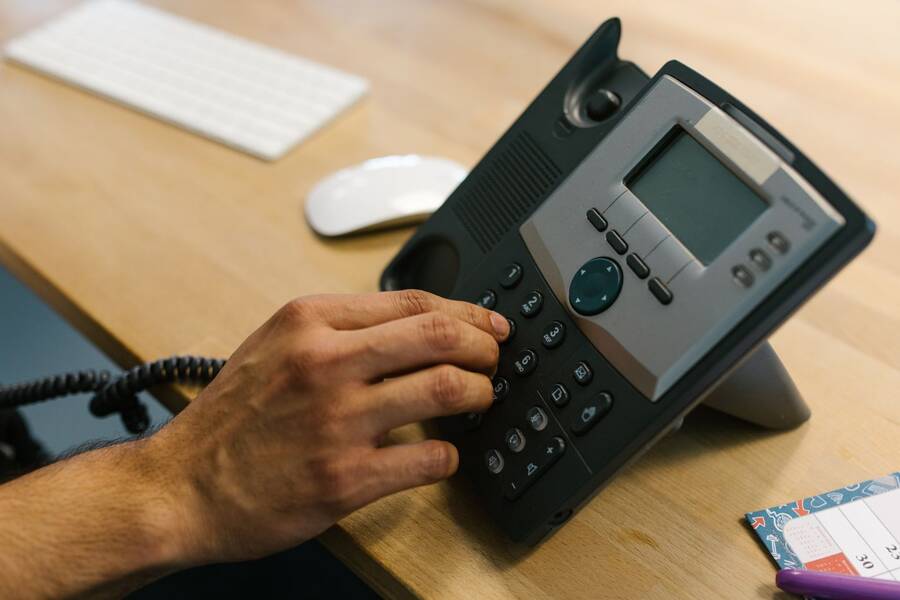
Forty percent of small businesses never answer their phones during business hours. That number sounds fake until you call a plumber on a Tuesday afternoon and get six rings, then voicemail, then silence. You call the next guy on the list. He picks up. He gets the job.
The phone is still the highest converting channel most service businesses own, and most of them treat it like an afterthought. A form fill gets a follow up email within minutes. A ringing phone gets a frazzled owner elbow deep in a job who figures he will call back later. He won’t. Neither will they.
Solving this isn’t about hiring a full time receptionist or duct taping a phone to your ear all day. It’s about recognizing that every unanswered ring hands money to a competitor, and then building coverage that doesn’t depend on your schedule. Services like Answering Advantage exist because this gap is so common that an entire industry grew up around it. Call centers, virtual receptionists, shared front desk staff, whatever shape it takes, the point is the same: somebody professional answers when you can’t.
What actually happens when your phone rings unanswered
Let’s trace one real scenario. A homeowner has a burst pipe at 7:40 on a Friday night. She searches on her phone, taps the first two results, and calls. First company rings out. She hangs up at eight rings and dials the second. They answer in three rings, quote a trip fee, and she books. The first company never knew they lost anything.
Here’s the part that stings: the caller rarely leaves a voicemail. Most people hang up within five rings and move down the list. You don’t get a notification that someone tried. You get a quiet week and blame the weather, the economy, or the algorithm.
According to SBA baseline guidance for small business operators, customer experience and responsiveness consistently rank among the factors that decide whether a first time caller becomes a repeat customer. The phone is where that first impression gets made or blown.
I’ve watched a two truck plumbing outfit lose a Saturday’s worth of work because the owner was on a roof and his voicemail box was full. That’s not a marketing problem. That’s a coverage problem, and it’s fixable.
Do you actually know how many calls you miss?
Most owners guess wrong. They assume the number is small, maybe ten percent, maybe fifteen. The real figure is usually higher, and the only way to know is to measure it.
Pull your phone bill and count inbound calls against answered calls for the last ninety days. If your carrier doesn’t break that out, enable call detail records, or set up a simple log sheet at the front desk. Three columns: date, time, answered yes or no. Do it for two weeks. The pattern will surprise you.
Then do the harder math. Multiply your missed calls by your average booking rate by your average job value. That’s your monthly bleed. For a service company with a two hundred dollar average ticket and a thirty percent booking rate, a hundred missed calls a month is six thousand dollars walking out the door. That’s a number you can act on.
Three coverage models, ranked by what they actually cost you
You’ve got real options here, and I’ve seen all three work. What matters is matching the model to your call volume and how much of your day you’re willing to lose. Answering more calls is only half the job, so pair it with these ways to improve customer service in a small business.
Model
Best for
The honest downside
Owner answers the phone
Solo operators with under five calls a day
Every call interrupts a job, and you can’t scale it
In house receptionist
Shops with steady volume and a physical front desk
Salary, benefits, vacations, and they still can’t cover nights
Answering service or virtual receptionist
Anyone with after hours or overflow calls
Costs money monthly, and quality varies by provider
My take: if you’re losing more than a few calls a week, the in house hire is the worst option until you’ve proven the volume. A part time receptionist runs into thousands a month before payroll taxes, and they clock out at five. An answering service scales up and down with you and covers the hours you can’t.
A five step plan you can run this week
- Log your calls for fourteen days. Answered, missed, and voicemail left. No guessing.
- Calculate your bleed number. Missed calls times booking rate times average ticket.
- Write a call script. Who answers, how they greet, what they ask, how they book. This is the single thing that separates a professional front desk from a mess.
- Choose your coverage. Match the model to the volume you just measured, and test a provider on a short term agreement before signing a year.
- Track conversions monthly. Compare booked jobs against calls received. If the gap widens, your coverage is failing.
Step three is where most people skip ahead, and it’s the one that matters most. A receptionist with no script will take messages. A receptionist with a script will book the job, collect the address, confirm the window, and tell the caller what happens next. That’s the difference between a message slip and a paid invoice.
Testing a provider without getting burned
Ask three questions before you hand over your phone line. First, how do they handle after hours and weekends, and is the pricing flat or per call? Second, can they see your scheduling software or booking calendar, or are they working blind? Third, what happens when a call needs to escalate to on call staff at two in the morning?
The NIST cybersecurity framework is worth a glance even if you’re a small shop, because any provider you hand customer names and payment details to should be able to describe how they protect that data. Ask about it directly. The good ones have a straight answer ready.
My advice is to start with a trial period and route a slice of your calls, maybe after hours only, for thirty days. Listen to recordings. Read the message logs. You’ll know within two weeks whether they represent your business the way you would.
Business formation data from the Census Bureau shows steady growth in small service enterprises, which means your competitor list gets longer every year. The businesses that win are rarely the cheapest or the fastest. They’re the ones who pick up.
The fix is boring, and that’s the point
Missed calls don’t announce themselves. They show up as a slow month you can’t explain and a pipeline that never quite fills. But the fix isn’t clever or dramatic. It’s measuring what’s happening, writing down how calls should be handled, and putting coverage in place that doesn’t depend on you being free at the exact moment someone calls.
You can start today with a phone bill and a notebook. Log the calls, run the bleed number, and see what the phone is actually telling you. If the number is bigger than you expected, the next move is yours. Book a test run with a provider, listen to how they sound on your own line, and decide. What’s one missed call a week worth to you?