How to Extend the Life of Restaurant Booth Seating
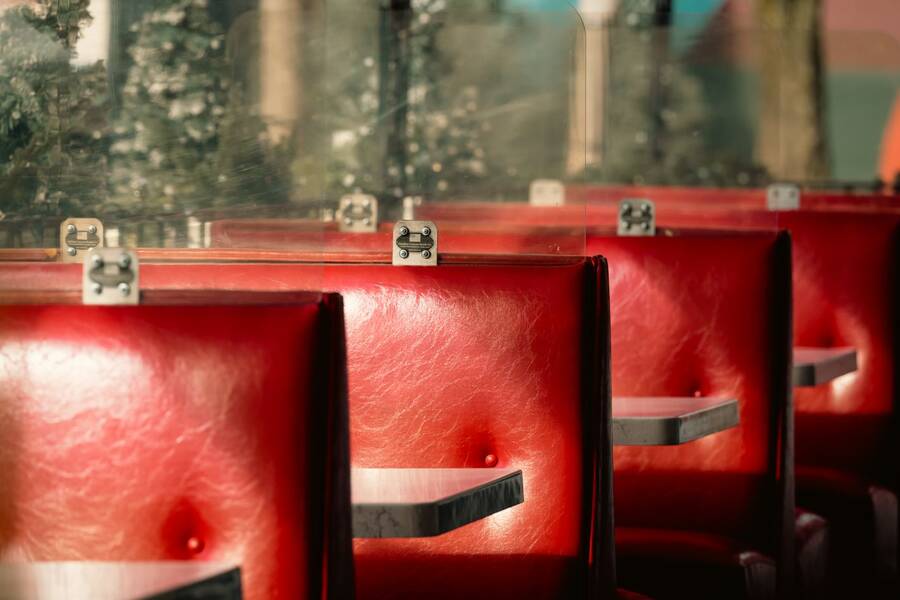
Sixty dollars in cleaning supplies can save you a four thousand dollar reupholstery bill. I have watched operators in Oklahoma City learn that lesson both ways, and the difference almost always comes down to how they treat the vinyl between Friday and Sunday night.
Booths take more abuse than any other surface in your dining room. Guests slide in and out six or seven times a shift, servers lean on the backs, and your closing crew hits the seats with sanitizer spray that quietly eats the finish. Most operators treat seating as a fixed cost until a cushion splits and a guest asks to move tables. Smart owners treat it as a maintenance line item, and that shift in mindset is what keeps a dining room looking sharp for a decade instead of two years.
The practical fix is usually smaller than a full replacement. When damage starts at one seam or a corner cushion, restaurant booth repair in Oklahoma City gets the seating patched on site, often before the dinner rush, instead of sending you shopping for a whole new set of booths. Here is how to get the most life out of what you already own.
Where booth damage actually starts
It rarely starts in the middle of a cushion. In my experience walking dining rooms, the first failures show up in four predictable spots, and knowing them lets you catch problems while they are still cheap. Seating is part of the meal, and it is one reason customer experience matters for business growth.
- Seat seams and front edges. Guests push off with their hands and drag across the seat nose. That friction wears the vinyl thin before anything else.
- Backrest tops. People grab the booth back to steady themselves. Over months, the material cracks along the top edge.
- The vinyl beside the table. Food, hot plates, and spilled drinks land here first, and wiping the same spot hard every night dulls the finish.
- Cushion cores. Foam flattens where the most regular guests sit. The vinyl is fine, but the seat sags and feels worn out.
Catch any one of those early and a technician can usually patch, dye, or re-bond the area for a fraction of what new upholstery costs. Let them all go for a year and you are pricing full booth replacement.
Should you repair or replace damaged booth seating?
Not every booth is worth saving, and I would rather you hear that from someone than learn it after the invoice. Use this as a gut check before you call anyone.
Situation
Repair makes sense
Replacement makes sense
Tears, cracks, or color loss
Yes, especially on frames that are still solid
Rarely
Flattened foam
Yes, cushions can be rebuilt
Only if the frame is failing too
Broken frame or loose anchors
Usually no
Yes, this is a carpentry problem
Mismatched color across your set
Yes, dye work can blend it
Only if you are redesigning the room
If your booths are structurally sound and the damage is cosmetic, repair wins nearly every time. You keep the original frames, avoid a lead time on new furniture, and skip the week your dining room is half blocked off by installers. That downtime is the real cost, and it is the part most owners forget when they compare quotes.
The weekly routine that adds years
This is the part you can hand to a shift lead tomorrow. None of it takes special equipment.
- Wipe spills within the hour. Sugary drinks and oily dressings break down vinyl if they sit overnight.
- Dilute your sanitizer. Follow the label ratio. Stronger is not cleaner, and over-mixed chemicals dull the finish fast.
- Skip the abrasive pads. A soft cloth does the job. Scrubbing pads take the sheen off and leave a dull patch that never matches.
- Do a five minute walk at close. Have one person run a hand along each seat seam. New tears get logged and photographed.
- Keep booths out of direct sun. A west facing window can bake vinyl over a summer. Rotate tables and use blinds during peak afternoon service.
Many operators assume upholstery care is an OSHA issue. It isn’t. Seating is a guest experience and asset question, so treat your inspection walk like your equipment checks. The Occupational Safety and Health Administration actually has more to say about the walking surfaces around your booths than the cushions themselves, and it is worth a look for the aisle side of your floor plan.
A scenario I keep coming back to
Picture a 60 seat neighborhood spot off May Avenue with a lunch crowd that turns tables three times an hour. The owner calls me because four booth backs are cracked near the top edge, all in the same place, and two seat cushions have gone soft. Her first instinct is to replace the whole set.
Here is what I look at instead. The frames are tight. The foam is flattened but the vinyl around it is intact. The cracks are cosmetic, not structural. So the plan becomes a patch and dye on the four backs, a cushion rebuild on the two seats, and a new closing routine taped inside the server station. She keeps her original booths, her dining room stays open, and the bill lands well under a replacement quote. Six months later the cracks have not come back because the staff stopped over-mixing sanitizer.
That pattern repeats more than you’d think. I would take a repaired original booth over a cheap new set almost every time, because the frames and foam in older furniture are usually better than what ships today. My bias is toward repair whenever the structure is sound.
When to call a pro instead of patching
Some damage genuinely calls for skilled hands. If the vinyl has torn through to the foam, if color loss spans more than a hand-sized patch, or if a seam splits on a piece of furniture you cannot move, a dye and patch kit from a hardware store will look worse than the tear. A mobile technician can match color, re-bond seams, and rebuild foam on site.
There’s a sustainability angle too. Keeping furniture in service longer means fewer booths headed to a landfill. The Environmental Protection Agency frames waste reduction around exactly that idea, extending the useful life of what you already own before buying new. For a restaurant, that is both an environmental and a cash flow win.
Budgeting for booth upkeep
Set aside a small quarterly maintenance number instead of waiting for a surprise. The Bureau of Labor Statistics tracks repair and maintenance spending across service industries, and it is a useful reality check when you are building a facilities line item. A few hundred dollars a quarter keeps small problems small.
Guests notice cracked vinyl before they notice your new menu. Repair the seat, protect the frame, and your booths keep earning their keep for years. What would your dining room look like if you treated seating like the equipment it is? Take a five minute walk at close tonight, run your hand along every seat seam, and see what you find.