How to Name a Hairstyle (and Why Your Stylist Will Thank You)
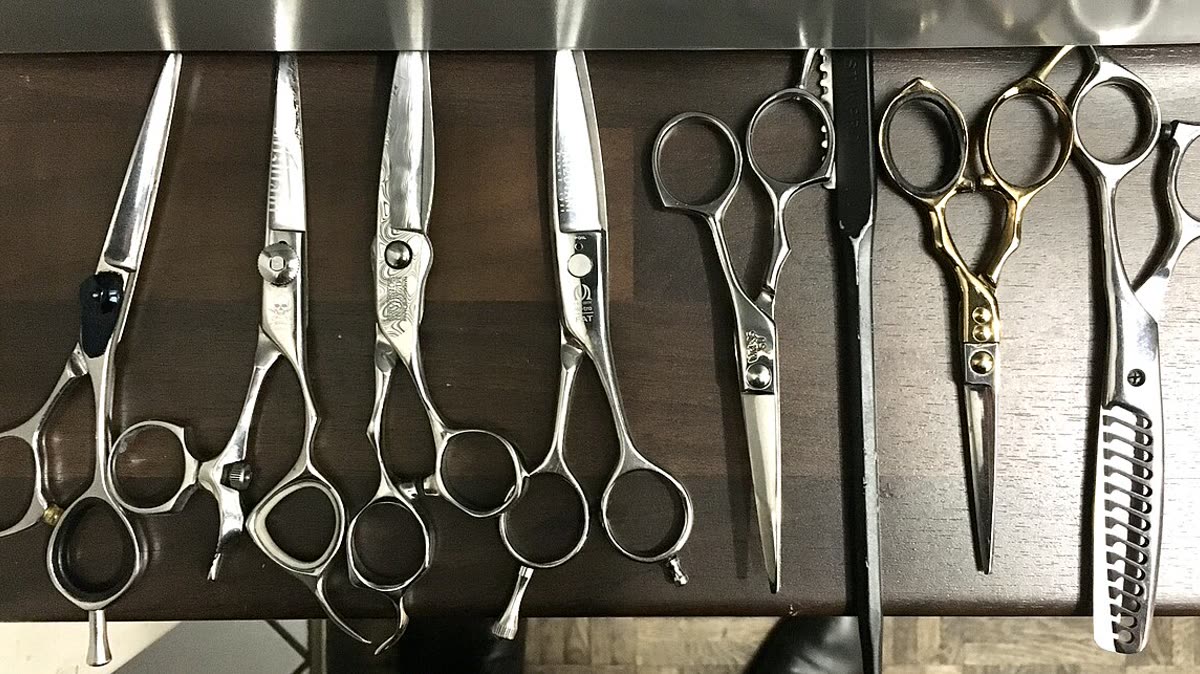
Anyone who’s walked into a salon with a vague idea and walked out with a haircut they didn’t expect knows the problem: we don’t share a common vocabulary for hair. Giving a cut a clear name, whether it’s for a client, a portfolio, or just for yourself, bridges that gap. If you’ve ever wondered how to name a hairstyle, the process is simpler than it sounds.
Why naming a cut matters
A name does two jobs. It tells people what to expect, and it makes the style easier to remember and request. “The Curtain Bob” is easy to ask for. “That thing with the layers around the face but kind of short” is not. For stylists, named looks also make marketing easier, since a catchy label turns a photo into something clients can say out loud.
Start with the shape
The most reliable names come from the silhouette. Look at the length, the lines and where the weight sits. Is it blunt or textured? Does it fall to the chin, the collarbone or the shoulders? Terms like “bob”, “lob”, “pixie”, “shag” and “undercut” already carry a lot of meaning, so building on them keeps things clear.
Then add a modifier. A “soft shag” and a “choppy shag” look different, and the extra word does a lot of work. So does “French” in “French bob”, which usually means a chin-length cut with a slight inward curve and a fringe.
Borrow from the details
Specific features give you more material. Bangs, parting, curl pattern, color placement and finishing texture can all become part of a name. “Wispy bangs”, “curtain bangs”, “side-swept fringe”, “face-framing layers” all point to something specific. A color technique such as “money piece” or “babylights” helps you describe highlights without needing a diagram.
Combining two or three details creates a distinctive label: “Layered lob with curtain bangs” is long but clear, and you can shorten it to “The Curtain Lob” for social posts.
Use inspiration, but keep it fresh
Many hairstyle names come from people, places or eras. “The Rachel” and “The Farrah” are classic examples tied to famous haircuts. “Mod cut”, “Twiggy crop” and “Victory rolls” refer to specific time periods. Using a reference helps people picture the look, but it’s worth putting your own spin on it so your name doesn’t sound like everyone else’s.
Seasonal or mood-based names also work for salons: “Autumn Copper Waves” or “Sunday Soft Layers”. They feel friendly and give clients an emotional cue as well as a visual one.
Test it for clarity
A good hairstyle name should pass a simple test: could a client use it to explain what they want to someone else? If a friend heard it, would they picture something close to the real cut? Try it on a few people and note how they describe it back to you.
Avoid names that are too clever. Puns are fun, but if clients can’t tell what the haircut is, the name isn’t doing its job. Likewise, steer clear of anything that could be mistaken for a different style.
Resources for ideas
If you want more examples of how naming conventions work, themed lists on sites like nickbitz.com can show you patterns that work in other areas, and you can adapt them to hair. Salon portfolios and style magazines are helpful, too. Notice which labels make you want to click, and ask yourself why.
Make it stick
Once you’ve picked a name, use it consistently. Put it in captions, on your price list and on your booking page. Take a clear photo that shows the style from a couple of angles, so the name and the image become linked in people’s minds.
Naming a cut isn’t about being fancy. It’s about making sure the person in the chair and the person holding the scissors are picturing the same thing.