
Can I Sue My Neighbor If His Dead Tree Falls On My House?
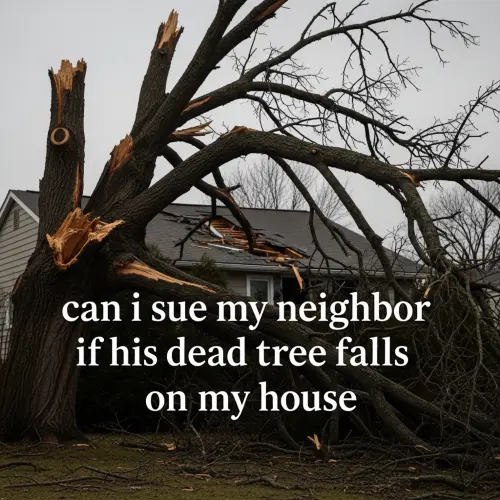
You asked a powerful and practical question — if your neighbor’s dead tree falls on your house, you deserve clear answers and confident next steps; this article explains when you can sue, what evidence matters, and how insurance and the law usually respond so you can protect your home and your rights.
Can I Sue My Neighbor If His Dead Tree Falls On My House
Yes, in many cases you can sue if a neighbor’s dead tree falls on your house, especially when the neighbor knew or should have known the tree was hazardous and failed to act, because the law often imposes liability for damage caused by negligent property maintenance.
Understanding Liability For Fallen Trees
Liability generally hinges on whether the tree owner was negligent (knew or should have known of the danger) versus the fall being an unavoidable natural event; ownership of the tree, prior complaints, and visible signs of decay all influence who is responsible for repair costs.
Negligence And Duty Of Care
Property owners owe a duty to maintain their land in a reasonably safe condition, so if a dead, diseased, or clearly unstable tree on a neighbor’s property could be discovered by ordinary inspection, failing to remedy it can constitute negligence and create grounds for a lawsuit.
Proving Negligence: Key Evidence
To succeed you typically must show ownership or control, the tree’s hazardous condition, notice (actual or constructive) to the neighbor, and that the hazard caused the damage; strong evidence makes the difference between settlement and defeat.
- Photographs and video of the tree before and after the fall
- Witness statements or neighbor communications documenting complaints
- Arborist or structural expert reports identifying decay or risk
- Maintenance records showing lack of pruning or remediation
- Insurance estimates and repair invoices linking the tree to damage
Insurance Claims And Homeowner’s Insurance
Your homeowner’s insurance often covers structural damage from fallen trees regardless of fault, and insurers may pay and then pursue your neighbor through subrogation, so promptly notifying your insurer preserves coverage and creates a professional record of loss.
When The Neighbor Is Not At Fault (Act Of God And Other Defenses)
A neighbor may not be liable if the tree fell due to an unforeseeable extreme storm or other “act of God,” or if the hazard was not reasonably discoverable, so defendants commonly assert these defenses to avoid responsibility for repairs.
Statute Of Limitations And Legal Deadlines
Legal claims have deadlines — statutes of limitations for property damage vary by state (often two to six years) and missing the deadline can bar recovery, so take prompt action and consult local statutes to protect your right to sue.
Steps To Take Immediately After The Tree Falls
Act quickly to protect safety, document damage, and preserve evidence, because timely, organized action increases the chance of successful recovery from either your insurer or the neighbor.
- Ensure everyone is safe and call emergency services if needed
- Take dated photos and videos of the tree, damage, and surrounding conditions
- Notify your neighbor and document that communication in writing
- Contact your homeowner’s insurance and file a claim promptly
- Obtain an independent arborist or contractor estimate before repairs
Settling Versus Filing A Lawsuit
Many disputes resolve through negotiation or insurance settlement; sue when the neighbor refuses reasonable compensation, damages exceed policy limits, or liability is clear and settlement talks fail, but weigh legal costs, time, and emotional toll before filing.
How An Attorney Can Help
An experienced property or personal-injury attorney can evaluate liability, preserve evidence, negotiate with insurers and your neighbor, draft a demand letter, and litigate if necessary, dramatically improving your chances of fair compensation while relieving you of complex legal tasks.
Conclusion
You have strong options: document everything, notify your insurer and neighbor, get expert evidence, and consult an attorney if needed — with the right evidence and steps you can often recover repair costs either through insurance, settlement, or a lawsuit, and you should pursue the route that best protects your home and peace of mind.