How Scent and Taste Influence Mood and Memory
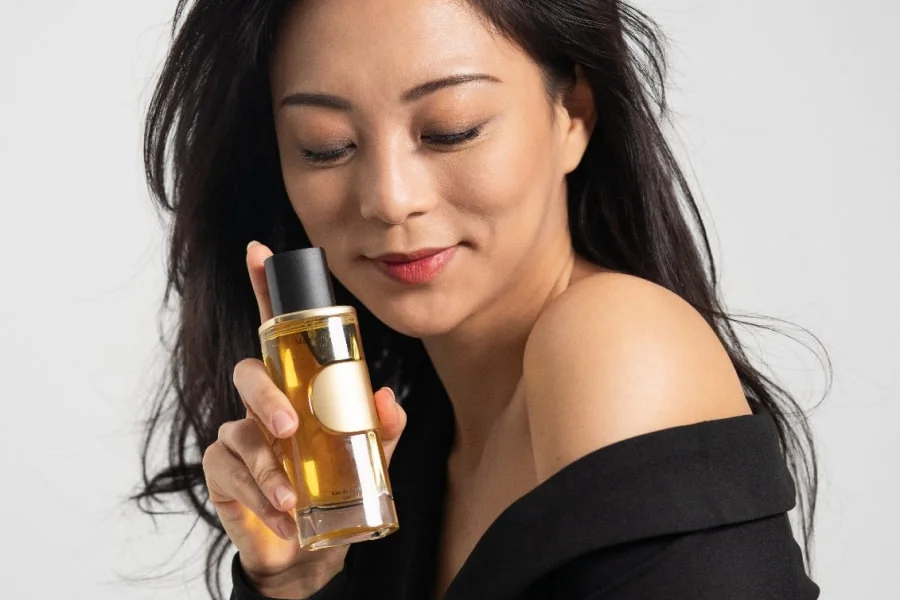
Smell connects to the brain’s memory and emotion centers more directly than other senses, which is why a scent can bring back a moment in vivid detail. Taste depends heavily on smell, so the two work together. This guide covers how the wiring works, what makes scent memories last, and where the claims get overstated.
A whiff of sunscreen can bring back a beach from twenty years ago. The scent describes nothing about the beach, yet the memory arrives whole. The explanation lies in how the brain handles smell, and it is more specific than the common saying that “smell is the strongest sense.”
Why Are Smell and Memory So Closely Wired?
Odor signals travel from the nose to the olfactory bulb, which connects directly to the amygdala and hippocampus. Those two regions handle emotion and memory, and the short route between them is widely cited as the reason scent memories feel so immediate. Other senses generally route through additional relay stations before reaching the same areas.
Flavor designers build on this wiring, which is why categories from perfume to candy to adult-only disposable vapes put so much work into distinct scent and taste profiles. Products of this kind are intended for adults of legal age only, and age verification applies at the point of purchase. This product contains nicotine. Nicotine is an addictive chemical.
The table below summarizes the main parts of the pathway and what each one contributes.
| Brain region | Role | Link to scent |
| Olfactory bulb | First processing station for odor signals | Receives input directly from the nose |
| Amygdala | Emotional tagging of experiences | Attaches feeling to a scent |
| Hippocampus | Forming and retrieving memories | Stores the context around a scent |
| Orbitofrontal cortex | Combining smell and taste into flavor | Builds the overall flavor impression |
Each region handles a different job, and together they explain why a scent can retrieve a memory with its feeling attached. The next section looks at what makes some of those memories last for decades.
What Makes a Scent Memory Durable?
Scent memories tend to form early and stick, partly because the first time we meet a smell, we usually have no label for it. The brain stores the odor together with whatever else was happening: the place, the people, the feeling in the room. Later, the scent alone can pull that whole bundle back.
Researchers who study odor-evoked memories often report that they feel more emotional and more vivid than memories cued by words or images. The memories are not necessarily more accurate. They are simply more intense, and intensity is easy to mistake for precision.
Three factors appear most often in the research on lasting scent memories.
- Novelty: a scent met for the first time in a striking setting leaves a stronger trace than a familiar one.
- Emotional weight: scents tied to strong feelings, good or bad, are retrieved more readily.
- Early exposure: childhood odors often produce the most vivid recall in adulthood.
None of these factors guarantees recall, and individual differences are large. Two people can smell the same scent and recall nothing alike because the memory belongs to the person, not the odor.
How Do Taste and Smell Interact?
Much of what people call taste is actually smell. The tongue detects a short list of basic qualities: sweet, sour, salty, bitter, and umami. Everything else- the difference between strawberry and raspberry, for example- comes from odor molecules traveling from the back of the mouth up into the nasal passages, a process called retronasal smell.
This is why food seems bland during a heavy cold. The tongue still works, but the smell signal is blocked, and the flavor collapses into a few basic notes. The brain merges the two streams into a single impression, which is why flavor feels like one sense even though it is two.
The merging also explains why flavor memories are so tied to scent. A taste memory is rarely just a taste memory, because the smell component comes along with it and does much of the remembering.
Where Is the Effect Overstated?
Popular claims about scent and memory often outrun the evidence. The “Proust effect,” named for the novelist’s famous madeleine passage, is real in the sense that odors can cue vivid memories, but the research does not show that smell is always the best memory cue. Some studies find that other cues work just as well for factual recall.
Other claims fall apart under scrutiny. A frequently repeated statistic about how much of what we remember comes from smell has no solid source, and humans are generally poor at naming odors even when they recognize them. The honest summary is that scent is an unusually emotional memory cue, not a perfect or all-powerful one.
The practical takeaway is modest. Scent can bring back memories with feeling attached, and taste borrows much of its power from smell, but anyone promising dramatic effects from a single scent is claiming more than the research supports.
Frequently asked questions
Why does smell trigger memories so strongly?
Odor signals reach the amygdala and hippocampus through a short route, which helps explain why scent-cued memories feel vivid and emotional.
Are scent memories more accurate than other memories?
Not necessarily. They tend to feel more intense, but intensity is not the same as accuracy.
Is taste really just smell?
Mostly, apart from the five basic tastes. Flavor depends heavily on smell traveling from the mouth to the nasal passages.
Why does food taste bland with a cold?
Congestion blocks the smell signal, so the brain receives only the basic tastes from the tongue.
What is the Proust effect?
It describes how a scent can bring back a vivid memory. The effect is real, though research shows smell doesn’t always beat other cues.