What Parents Should Look for Before Enrolling a Child in a Swimming Class
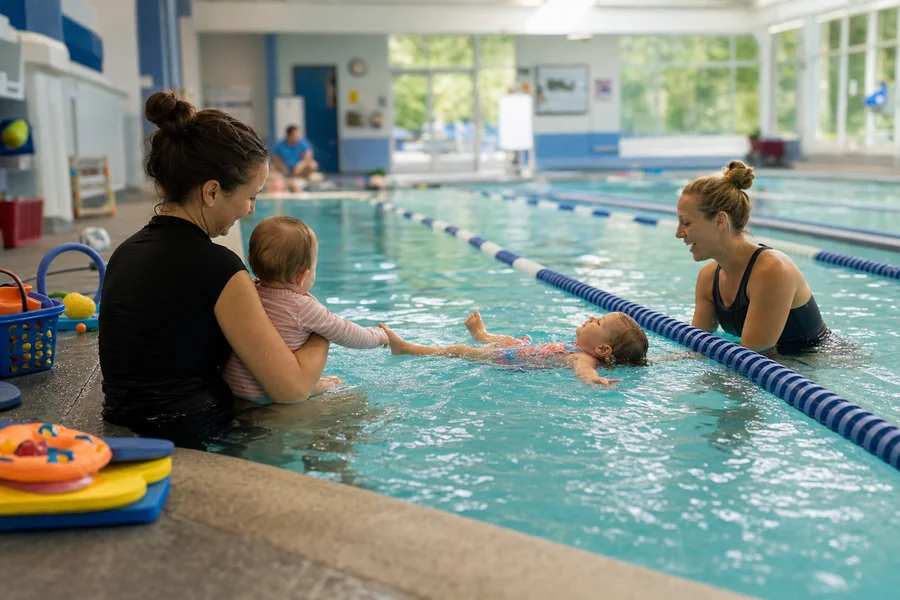
Choosing a swimming class for a child involves more than finding a pool close to home. Parents need to consider who will teach their child, how lessons are organized, whether the environment feels safe, and how the program handles children with different abilities.
A class that works well for one child may not suit another. Some children are eager to jump into the water, while others need time to feel comfortable around a pool. Looking at a few practical details before enrolling can help parents choose a program that fits their child’s needs.
Check the Instructor’s Qualifications and Teaching Approach
The instructor has a major influence on a child’s experience. Parents should ask about the qualifications required to teach swimming, relevant experience with children, and training in water safety and emergency response.
It is also worth asking how instructors work with beginners. A child who is learning to float or put their face in the water may need a different approach from one who can already swim a short distance.
Watch how instructors communicate with children during a class, if observation is permitted. Clear instructions, patience, and age-appropriate teaching methods are useful signs. Children should have opportunities to practice skills without feeling embarrassed when they make mistakes.
Parents should also find out whether instructors receive training in working with children who are nervous around water or need additional support.
Ask About Class Size and Individual Attention
The number of children in a class can affect how much attention each child receives. A large group may make it harder for an instructor to observe every swimmer closely, particularly when several children are learning basic skills.
Ask how many children are assigned to each instructor and whether class sizes change based on age or ability. Find out how instructors keep track of individual progress and what happens if a child needs extra practice with a particular skill.
Class size is especially important for beginners. Children who are still learning to enter the water safely, float, or move through the pool need appropriate supervision and clear instruction.
Parents should remember that an instructor’s presence does not remove their own responsibility to supervise children around water outside the lesson. It is also reasonable to ask about the facility’s supervision policies and emergency procedures.
Understand How the Program Groups Children
Age is one factor in placing children in swimming classes, but it should not be the only one. Two children of the same age may have very different levels of experience and comfort in the water.
Ask whether the program assesses a child’s existing skills before assigning a class. A beginner who has never taken a lesson may feel overwhelmed in a group where most children already swim independently. Similarly, a child who has outgrown introductory skills may need a class that offers more challenging instruction.
Parents should also ask what happens as children improve. Does the instructor evaluate their progress? How are children moved into the next level? Are there specific skills they need to demonstrate before advancing?
A clear progression system helps families understand what children are learning and what comes next. It also reduces the pressure to compare a child’s progress with that of classmates.
Find Out How the First Few Lessons Work
A child’s first swimming class can bring excitement, uncertainty, or a mixture of both. Parents can make the transition easier by finding out what to expect before the first session.
Ask whether the program offers an assessment, introductory session, or guidance for first-time swimmers. Find out whether parents can observe lessons and how instructors communicate with families about progress.
Some children become comfortable in the water quickly. Others may need several sessions to adjust to the pool, follow instructions, and participate confidently. A good program should allow children to learn at an appropriate pace without forcing them through activities they are not ready to attempt.
Parents can prepare children by explaining what will happen, packing the required swimwear and equipment, and arriving with enough time to settle in. Avoid promising that a child will master a skill within a certain number of lessons. Learning times vary.
Look Beyond the Pool Itself
A clean, well-maintained facility is important, but parents should look at more than the appearance of the pool.
Check whether the water and surrounding areas appear well maintained. Ask about cleaning schedules, water quality checks, changing facilities, and access to restrooms. The pool deck should be managed to reduce slipping hazards, and children should have clear instructions about entering and leaving the water.
Parents should also ask about safety procedures. These may include emergency response plans, the availability of appropriate rescue equipment, staff training, and rules for supervising children before and after lessons.
If the program operates in an indoor facility, ask about the temperature of the water and the surrounding environment, especially for younger children. A comfortable setting can make lessons more enjoyable.
No facility can remove every risk associated with water. Parents should understand the program’s safety policies and continue to supervise their children closely whenever they are in or near water.
Compare the Schedule, Cost, and Commitment
A swimming program may look excellent on paper but prove difficult to maintain if lesson times conflict with school, work, or other family commitments.
Before enrolling, check the frequency and duration of classes, the total cost, registration fees, and any additional charges for equipment or assessments. Ask about missed lessons, cancellations, make-up sessions, and the process for changing class times.
It is also useful to understand what the fee covers. Some programs provide equipment or progress updates, while others expect families to purchase certain items separately.
Consistency matters in learning a physical skill, so choose a schedule your family can realistically maintain. A convenient class that children can attend regularly may be a better choice than one that requires a difficult commute or frequent schedule changes.
Parents should also consider whether the program offers a suitable option if a child needs a different class level or schedule later.
Choose a Program That Fits Your Child
Before making a decision, parents can explore local options for swimming lessons and compare how each program approaches instruction, safety, class placement, and progress tracking.
A useful checklist can help narrow the choices:
- Are instructors appropriately qualified and trained in water safety?
- Is the class size suitable for the children’s ages and abilities?
- Does the program assess swimming skills before assigning class levels?
- Can parents understand how progress is measured?
- Are safety rules, supervision policies, and emergency procedures clearly explained?
- Is the facility clean and well maintained?
- Do the schedule and fees fit the family’s needs?
Parents can also ask their child how they feel about the program after the first few sessions. A child who looks forward to lessons, feels comfortable asking questions, and is willing to practice may be settling in well. If the child is consistently distressed, it is worth discussing the concern with the instructor rather than assuming the child will simply get used to it.
The best swimming class is one that combines appropriate instruction, clear safety practices, and a learning environment suited to the child. Taking time to ask questions before enrolling can help families make a more informed choice and give children a better start in the water.