
What to Know Before Adding a Hydraulic Liftgate to Your Truck
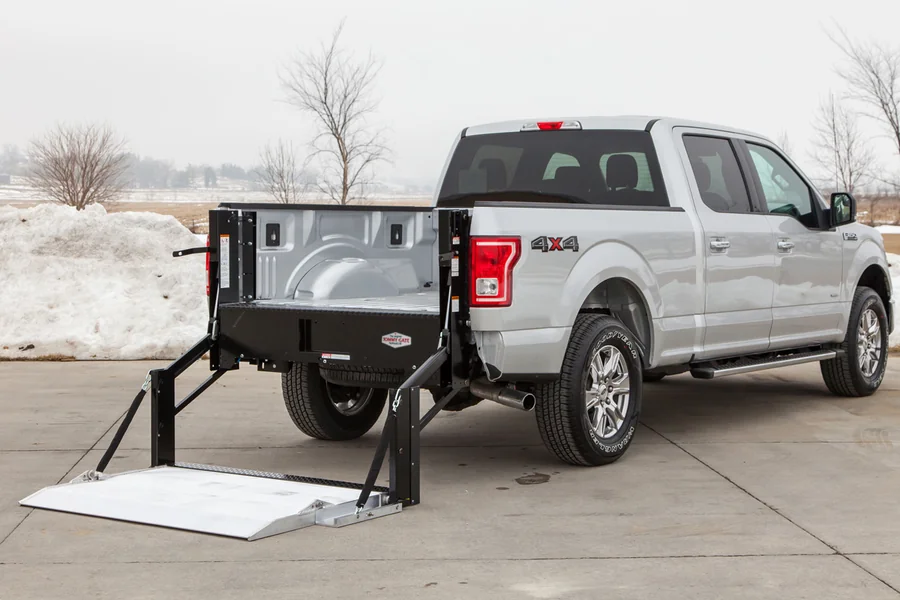
Ask any delivery driver with a bad back what changed their workday and you’ll hear the same answer: the tailgate that lifts the freight for them. A hydraulic liftgate turns a two-person, 20-minute unload into a one-person job you can finish before your coffee goes cold. That convenience carries real decisions, though. Capacity, weight ratings, platform style, and how the gate mounts to your specific truck all shape whether you get five good years or five months of repairs.
I’ve watched fleet managers order the biggest gate in the catalog, then learn the hard way that their truck’s rear axle can’t legally carry it. This guide walks you through the sizing math, the platform choices, the installation realities, and the maintenance rhythm that keeps a gate working. By the end, you’ll know what questions to ask before anyone drills a single hole in your frame.
Start With the Payload Math, Not the Catalog
Your truck’s gross vehicle weight rating (GVWR) is the ceiling for everything: truck, fuel, driver, cargo, and the liftgate itself. A gate that lifts 2,000 pounds often weighs several hundred pounds on its own, and that weight eats into your legal payload before a single box goes on board.
Here’s the dirty secret of liftgate shopping: the lift capacity and the gate’s own weight are two different numbers, and sales sheets love to blur them. A 2,500-pound capacity gate that weighs 700 pounds leaves you less usable payload than a 1,600-pound gate that weighs 350. If your typical delivery is a stack of appliances on a pallet, the lighter gate usually wins. If you’re moving vending machines or generators, the heavier one earns its keep.
When in doubt, I’d rather see an owner buy a lighter gate and make two trips than overload a rear axle every single day. The Department of Transportation treats axle and weight compliance as a safety matter, and roadside inspections don’t care that your gate was on sale.
Choosing a Platform Style for the Way You Work
Liftgates aren’t one product. They’re a family of mechanisms, and the right pick depends on your truck body and what you actually load.
- Conventional or rail-style gatesbolt to the rear frame and fold up when not in use. Best for box trucks making dock and curbside deliveries.
- Fold-away gatestuck under the bed, which matters on flatbeds and service body trucks where a standing gate would block access.
- Chain-driven hydraulic gateshandle heavy, repetitive cycles well, which is why beverage and food distributors favor them.
- Slider gatesmove side to side, so you can open the rear door without moving the platform.
Steel or aluminum is the other fork in the road. Steel costs less and takes a beating. Aluminum saves weight, and that savings can be the difference between staying under GVWR and blowing past it. For a truck that runs Dallas summers with the gate baking in the sun all day, aluminum also resists corrosion better in the long run. You’ll pay more up front. I’d still take aluminum on any truck that’s close to its weight limit.
What Actually Happens During Installation
People picture a bolt-on accessory. In practice, a liftgate install is a structural job. The installer has to tie the gate into the truck’s frame or body in a way that spreads load across multiple points instead of concentrating stress in one spot.
On a typical install, the sequence looks like this. The tech measures your bed height and frame rails, confirms the gate model matches the body style, and mounts the main frame brackets. Hydraulic lines get routed from the pump and reservoir, the power unit gets wired to the truck’s electrical system, and the platform is hung and aligned. After that come the adjustments: limit switches, lowering speed, and platform tilt, so the gate doesn’t slam or drift.
The alignment stage is where cheap installs show their hand. A gate that’s mounted a half inch out of square will bind at the top of its travel, and no amount of fluid or fiddling fixes a geometry problem. This is exactly why the manufacturer’s spec sheet matters more than whatever is fastest. When a job calls for factory-spec mounting, warranty coverage usually depends on it. For trucks in the Dallas Fort Worth area, that’s the kind of work Texas Hydraulic & Equipment liftgate installation handles, including the post-install demonstration that shows you how every control on the unit works.
A quick pre-installation checklist
- Weigh your truck at a scale with a full tank. You need the real rear axle number, not the brochure estimate.
- Write down your heaviest recurring load and add 15 percent for pallet jacks and uneven ground.
- Measure bed height, rear frame width, and any obstruction: hitch, bumper, exhaust, or mudflap.
- Confirm your truck’s electrical capacity can feed the pump motor without starving other systems.
- Ask who handles warranty claims if the pump or cylinder fails in year two. Get it in writing.
Maintenance Is Boring, and That’s the Point
A hydraulic gate is a simple machine, which is why most failures trace back to neglect rather than bad parts. Fluid breaks down, fittings weep, and pivot points dry out. Give it a monthly walk-around and you’ll catch nearly everything before it strands you at a loading dock.
Check the reservoir level, look for fluid weeping around fittings and the cylinder rod, grease the pivot points and rollers, and verify that the platform latches securely in the stowed position. In cold snaps, listen to the pump. A labored whine usually means thick fluid or a tired motor.
The most common avoidable mistake I see is ignoring a slow drift. If the platform sinks an inch while loaded and parked, you’ve got a valve or seal issue starting. Fixing that early is a cylinder reseal. Fixing it late is a bent platform and a cracked bracket, plus a truck that’s out of service during your busiest week. According to the Bureau of Labor Statistics, transportation and material moving occupations employ millions of workers nationwide, and every one of them benefits when the equipment they touch daily is maintained on schedule instead of on emergency.
The Cost Picture, Honestly
Budget for three separate numbers: the gate, the installation labor, and the first-year maintenance. The gate itself typically runs from a couple thousand dollars on the low end to well over ten thousand for heavy-duty aluminum units with large platforms. Installation adds a meaningful chunk on top because of the labor hours involved.
What nobody puts on the quote is the downtime cost. A truck sitting at a shop loses a day of revenue, and that number is often bigger than the install invoice. Ask your installer for a realistic timeline before you commit, and ask whether they stock common replacement parts locally. A shop that has to order a pump from out of state turns a two-day repair into a two-week one. That’s the question I’d ask first, and I’d pay a little more to a shop that keeps parts on the shelf.
One more thing worth doing: have someone watch how your crew actually loads the truck for a week. Drivers develop habits, like sliding heavy freight off the side of the platform, that a liftgate was never designed for. A five-minute conversation about loading technique prevents more damage than any warranty ever will.
The Occupational Safety and Health Administration publishes guidance on powered industrial equipment and safe material handling that’s worth a skim before you train anyone on the new gate.
Picking the Right Partner Matters More Than the Brand
Anthony, Maxon, Tommy Gate, Thieman, Waltco, and Palfinger all build solid equipment, and arguing about which logo is best misses the point. The gate will fail or thrive based on how well it was matched to your truck and how carefully it was hung on the frame. A great gate installed badly is a bad gate.
So interview your installer the way you’d interview a mechanic. Ask what happens if the mounting geometry doesn’t match your body style, who handles the manufacturer’s warranty paperwork, and whether they’ll come out for an adjustment during the first month. The answers tell you more than any spec sheet.
Before you sign anything, put your truck on a scale, write down your real loads, and get two installation quotes in writing. Your back, your drivers, and your insurance carrier will all thank you.