
How Richmond Seniors Benefit from Independent Supportive Living
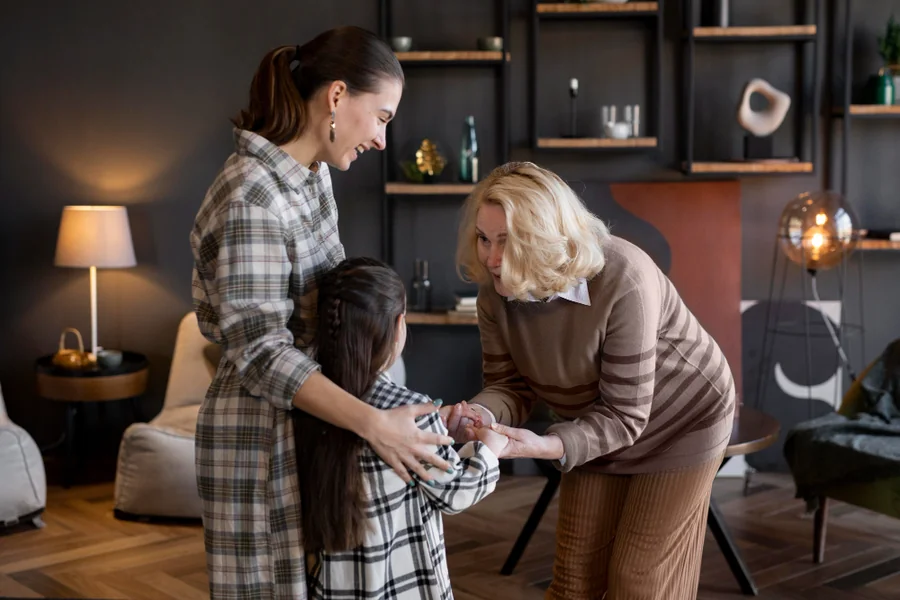
Independent Supportive Living in Richmond Hill helps seniors maintain their independence while getting support with everyday needs. It offers a balance of privacy, personal choice, social activities, and access to services that can make life more comfortable. For older adults who want to remain active but find some household tasks harder to manage, this type of senior living can be a practical option.
Every senior has different needs. Some want fewer chores and more time for hobbies, while others value social connections or help with personal routines. The right living arrangement allows seniors to keep control over their choices while getting support that fits their needs.
What Is Independent Supportive Living?
Independent Supportive Living is a senior living option for older adults who can make many of their own choices but may benefit from some extra help. Depending on the residence, services may include meals, housekeeping, laundry, medication support, and access to staff or emergency response systems.
It differs from living alone at home because residents can access services within their living community. It also differs from a setting with more intensive care, where residents may need regular help with personal tasks. Available services vary by residence, so families should confirm what is included before making a decision.
How Support Helps Seniors Maintain Their Independence
Keeping independence matters to many older adults. However, managing a home can become harder when cleaning, cooking, laundry, or other tasks take more time and effort. Support with these responsibilities can help seniors spend more time on the activities they enjoy.
For example, a senior who no longer wants to prepare every meal may appreciate having meals available at their residence. Someone who finds housework tiring may value housekeeping support. These services can reduce the pressure of household duties without taking away the resident’s ability to make personal choices.
Seniors should ask which services they can use and whether they can choose the level of help they receive. This helps them find an arrangement that respects their preferences and current abilities.
Social Connections Can Make Life More Enjoyable
Social contact is another benefit of independent supportive living. Seniors who live alone may have fewer chances to meet people, especially after retirement or the loss of a partner. A senior living community can make it easier to spend time with others without having to plan every outing.
Shared meals, group activities, hobby sessions, and community events give residents natural ways to meet people. Some may enjoy card games or crafts, while others prefer music, reading, or outdoor walks. Residents can join activities that interest them and spend quiet time alone when they prefer.
In Richmond Hill, local parks, libraries, shops, and community programs may offer more ways to stay connected. The right residence can help seniors balance social time with their own interests and routines.
Safety and Peace of Mind for Seniors and Families
Safety can become a concern when an older adult lives alone. A fall, a missed medication, or difficulty with household tasks may cause worry for both the senior and their family. A supportive residence may offer access to staff, emergency response systems, and selected care services, depending on the services available.
These features can provide reassurance, but families should check what support is actually offered. For example, they can ask whether staff are available around the clock, how emergency calls are handled, and whether medication assistance is included in the monthly fee. Ontario retirement homes offer different service levels, so it is important to review the details before choosing a residence.
Family members may also feel more comfortable knowing that their loved one has access to support and opportunities to connect with others. At the same time, seniors can retain their own living space and continue making decisions about their lives.
Less Time on Housework and More Time for Interests
Household chores can take up a large part of a senior’s time and energy. Cooking, cleaning, laundry, and home repairs may become harder to manage, even when a person remains active and independent. Independent Supportive Living can reduce some of this workload through services offered by the residence.
With fewer chores to manage, seniors may have more time for reading, gardening, exercise, family visits, or local outings. They can also enjoy meals with other residents instead of preparing every meal alone. The exact benefits depend on the residence’s service package, so families should ask which services are included and which cost extra.
How to Choose Independent Supportive Living in Richmond Hill
The best residence should match a senior’s preferences, budget, and support needs. Families can start by visiting local residences and asking how services work in practice. Speaking with staff and, where possible, current residents can also help them understand the community’s atmosphere.
Before making a decision, ask about:
- Services and fees: Confirm the cost of accommodation, meals, housekeeping, laundry, and personal support.
- Care and safety: Ask what help is available, when staff are on site, and how emergencies are handled.
- Activities and dining: Review the activity calendar, meal choices, and options for special dietary needs.
- Privacy and personal choice: Check suite options, visiting arrangements, and how residents manage their own routines.
Ontario recommends checking a retirement home’s licence and reviewing its inspection information through the Retirement Homes Regulatory Authority. Families should also confirm whether the residence can meet the senior’s current needs and what happens if those needs change.
A Supportive Way to Live Independently
Independent Supportive Living in Richmond Hill can help seniors keep their freedom while receiving support with selected tasks. Access to services, social activities, and a community setting may make life more comfortable and reduce some of the pressure of managing a home alone. The right choice depends on what each person values and the type of help they need.
Seniors and families should compare services, costs, and living arrangements before deciding. A good fit offers room for personal choice, meaningful social contact, and support that matches the resident’s needs.