
How to Choose the Right Filters for Heavy Equipment Fleets
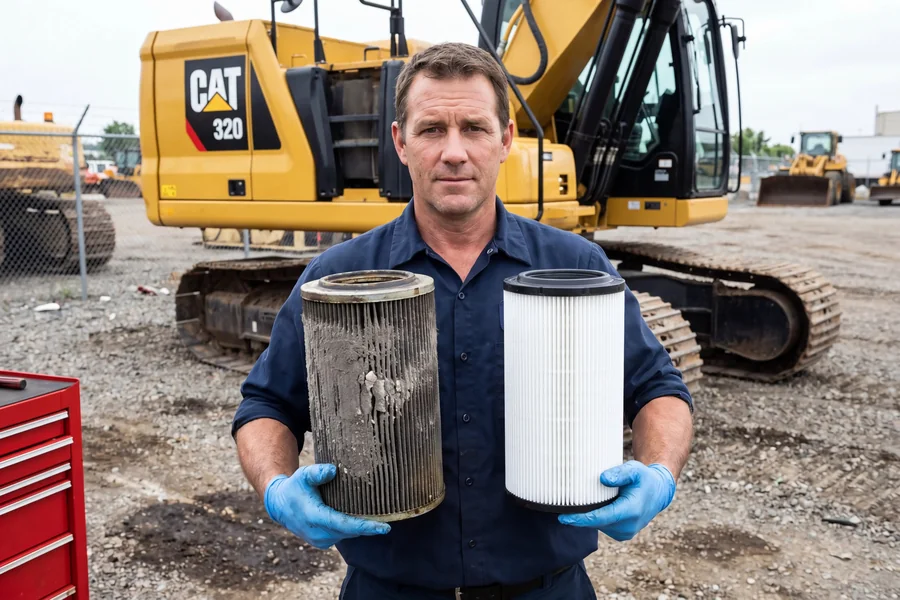
A single grain of sand can destroy a $30,000 diesel engine. That’s not hyperbole. It’s the physics of close-tolerance machinery, and it’s why filter selection deserves more attention than most fleet managers give it.
You’ve probably got a maintenance schedule taped to the shop wall. You change oil at regular intervals. You track hours on each machine. But if the filters you’re installing aren’t matched to your actual operating conditions, you’re leaving protection on the table. Dusty job sites, humid coastal air, cold winters, and long idle periods all change what your equipment needs.
This guide walks through the practical decisions that separate fleets that get 15,000 hours from an engine and those that rebuild at 8,000. You’ll learn what matters in filter selection, where to source reliable parts, and how to build a system that keeps your iron running.
Why Filter Choice Matters More Than You Think
Contamination is the silent killer of heavy equipment. According to the Environmental Protection Agency, fine particulate matter poses significant risks to machinery and engines when not properly controlled, and the same principles that govern air quality standards apply to the air entering your engine’s combustion chamber.
Your engine ingests thousands of cubic feet of air every hour. In a dusty environment, that air carries silica, dirt, and debris that will score cylinder walls, clog injectors, and accelerate wear on every moving part. The filter is the only barrier between your engine and that destruction.
But here’s where it gets tricky. Not every filter is built the same, and the cheapest option on the shelf often costs you more in the long run. A filter that restricts airflow too much forces your engine to work harder, burning more fuel. One that doesn’t seal properly lets contaminants bypass entirely. The sweet spot is a filter engineered for your specific application and operating environment.
I’ve watched fleets save $2,000 on a bulk filter order only to spend $40,000 on a premature engine rebuild. The math never works in favor of cutting corners on filtration.
What Are the Main Filter Types on Heavy Equipment?
Every piece of heavy equipment has multiple filtration systems, and each serves a distinct purpose. Understanding what each one does helps you make smarter purchasing decisions.
Engine air filters handle the highest volume of contaminants. These are your primary defense against airborne debris, and they typically use pleated media with a pre-cleaner or dust ejector for extreme conditions. On construction sites or in agricultural work, air filters load up fast.
Fuel filters and water separators protect injectors and fuel pumps from water, sediment, and microbial growth. Diesel contamination is a real problem, especially in equipment that sits for extended periods. Water in fuel will destroy high-pressure common rail injectors, and those repairs aren’t cheap.
Lube oil filters capture metal particles, soot, and sludge from the oil itself. Full-flow and bypass systems work together on larger engines. The full-flow protects critical surfaces while the bypass filter slowly polishes the oil, extending its service life.
Hydraulic filters keep your cylinders, valves, and pumps alive. Hydraulic systems operate at extreme pressures, and contamination here causes sticking valves, slow operation, and eventual component failure. If you run excavators, loaders, or any machine with a hydraulic circuit, this filter deserves attention.
Coolant filters maintain chemistry and capture debris in the cooling system. These often get ignored until an overheating event forces the issue.
Matching Filters to Your Operating Environment
The filter that works perfectly in a climate-controlled warehouse won’t last a week in a gravel pit. Your environment should drive your selection criteria.
According to research from NASA, particulate contamination in mechanical systems follows predictable patterns that engineers can model, which means you can anticipate filter loading based on your conditions rather than guessing.
Here’s how to think about your specific situation:
- High-dust environments(construction, mining, agriculture): Prioritize air filters with higher dirt-holding capacity and consider pre-cleaners. Change intervals will be shorter.
- Humid or coastal operations: Water separation becomes critical. Fuel water separators and corrosion-resistant filter housings matter more.
- Cold climates: Watch for fuel gelling and filter media that becomes brittle. Winter-grade fuel and filters rated for low temperatures prevent cold-start problems.
- Mixed fleet operations: Standardize where possible but don’t force one filter across different equipment types just for inventory simplicity.
You should also consider how long equipment sits idle. Machines that run daily keep fluids moving and contaminants suspended. Machines that sit for weeks develop water accumulation and microbial growth in fuel tanks. Idle time changes your maintenance math.
Building a Filter Sourcing Strategy That Works
Once you know what you need, the question becomes where to get it. And this is where a lot of fleets run into trouble.
Dealer parts counters are convenient but expensive. Big-box retailers carry generic options that may or may not meet your equipment’s specifications. Online marketplaces are a gamble, and counterfeit filters have become a real problem in the aftermarket.
What you want is a supplier who stocks quality brands, understands heavy equipment, and can help you match part numbers to applications. That last part matters more than people realize. Cross-referencing filter numbers across brands isn’t always straightforward, and getting it wrong means either a filter that doesn’t fit or one that doesn’t protect.
For fleets running Donaldson filtration systems, finding a reliable source for Donaldson filters and fleet supplies at Fleet Supply Warehouse gives you access to filtration products engineered for demanding applications. They carry filters for engines, hydraulics, fuel systems, and more across agriculture, construction, marine, and industrial equipment.
The advantage of working with a specialist supplier goes beyond just having the right part in stock. You get someone who can look at your fleet list and help you build a standardized filter program. That reduces errors, simplifies inventory, and often saves money compared to buying piecemeal from multiple sources.
A Practical Filter Selection Checklist
Before you place your next filter order, run through these steps. They take about fifteen minutes and can prevent expensive mistakes.
- Document your equipment: List every machine, its engine model, and current filter part numbers. Include hydraulic systems, fuel systems, and cooling systems.
- Note operating conditions: For each machine, write down the primary environment (dusty, wet, cold, mixed) and average daily run hours.
- Review your failure history: Look at the last two years of repairs. Are you seeing injector issues? Hydraulic problems? Premature engine wear? These point to filtration gaps.
- Check filter specifications: Confirm that your current filters meet or exceed OEM requirements for efficiency rating and dirt-holding capacity.
- Evaluate your supplier: Can they cross-reference part numbers accurately? Do they stock what you need consistently? Can they help you build a program rather than just filling orders?
- Set change intervals based on conditions: OEM intervals are a starting point, not a rule. Dusty operations need shorter intervals. Document what works for your fleet.
- Track filter performance: Note when filters load up, when you see restriction indicators, and how oil analysis results trend over time.
The fleets that get the most life from their equipment treat filtration as a system, not a commodity purchase. They pay attention to what’s actually happening in their machines and adjust accordingly.
The Bottom Line on Fleet Filtration
According to the Department of Energy, proper maintenance practices directly affect equipment efficiency and operational costs in industrial settings. Filtration sits at the center of that equation.
Your filters are cheap insurance against catastrophic failure. A $50 air filter protects a $30,000 engine. A $20 fuel filter protects a $5,000 injector set. The math is simple, but the discipline required to get it right every time isn’t.
Start by understanding what your equipment actually needs. Match filters to your operating conditions, not just to a part number. Find a supplier who knows heavy equipment and can help you build a program. Then track results and adjust. What’s the most expensive filter-related failure you’ve experienced? That answer usually tells you exactly where your filtration program needs attention.