How to Pick Between Crushed Stone and Pea Gravel for a North Texas Yard
I watched a neighbor dump eleven tons of pea gravel into a driveway that sloped toward his garage. Two hard rains later, half of it was in a pile against the door, and the other half was at the bottom of the street. The material was fine. The match was wrong.
That is the whole game with rock. Pea gravel and crushed stone both come out of the same
ground and both look great in a truck bed, but they behave like completely different animals once you tip the load. One locks together under a tire. The other rolls away from you, politely, until it finds a slope. So before you order anything, you need to know which one your project actually wants. If you are buying in Tarrant County, working with a Silver Creek Materials aggregate supplier that knows local clay and local weather saves you a second delivery.
Here is how I think about it now, and how you can skip the pile at the bottom of the street.
What is the real difference between crushed stone and pea gravel?
Shape, and shape handles everything else.
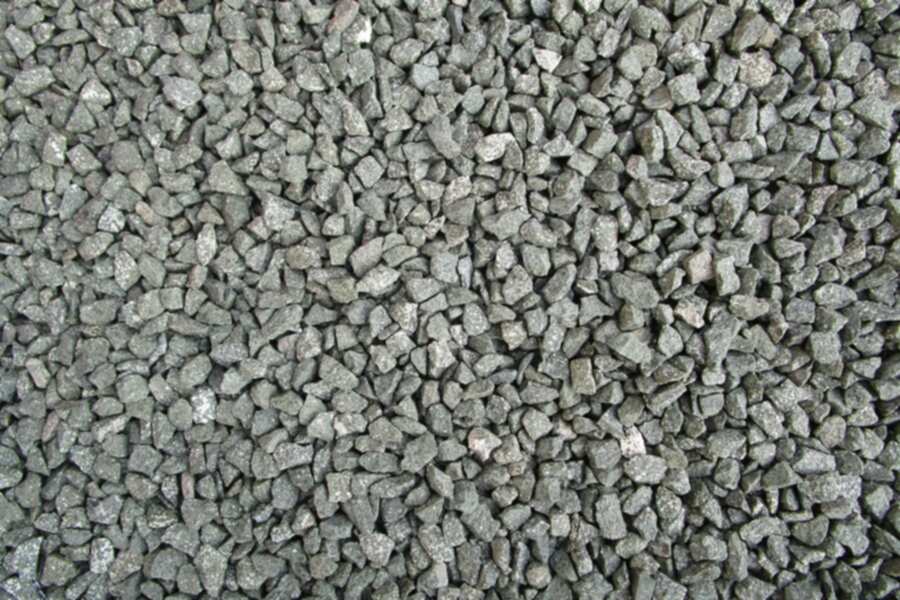
Crushed stone is rock that gets broken by a machine. That process leaves angular faces and sharp corners. When you compact a lift of it, the corners grab each other, and the whole layer stiffens up like a jigsaw puzzle with attitude. It doesn’t want to slide, and it doesn’t want to rut.
Pea gravel is rounded. Water or time wore those stones smooth before anybody bagged them. Smooth stones roll. Under a boot that feels wonderful, and under a truck tire it feels like walking on marbles. Fines matter too: crushed stone usually ships with stone dust mixed in, which helps it bind, while pea gravel is mostly clean, single-size stone that drains fast and stays loose.
Two other differences come up on almost every job. Weight per yard runs heavier for crushed stone because the pieces pack tighter with fewer voids. And color selection is wider in pea gravel, which is why it ends up around pools and flower beds far more often than it ends up under a truck.
Driveways and heavy traffic: no contest
If vehicles touch it, use crushed stone. I would put that on a sign.
The reason is mechanical. Rounded stone has no interlock, so it migrates. Every tire rotation shoves the material outward and downhill until you are out there with a rake on a Saturday, and then it rains, and the ruts come back. Angular stone, properly graded and compacted in lifts, forms a surface that resists displacement. It also sheds water instead of holding it, which matters when you get the kind of short, hard downpours that the National Weather Service routinely tracks across North Texas.
Order it as base first, then a top course, and plan on renting a plate compactor. A driveway built on uncompacted rock is just a driveway-shaped pile of good intentions. If your driveway is on any grade steeper than a gentle rise, know this: perfect material will still creep downhill over the years, and pea gravel will beat it there by a mile.
Patios, walkways, and dog runs: where rounded wins
This is pea gravel’s home turf, and I will pick it every time for these spots.
Barefoot traffic changes the calculation completely. Rounded stone feels soft underfoot, which is why it shows up under swing sets, in dog runs, and around fire pits. Dogs and kids do not care about interlock. They care about whether the surface hurts. Pea gravel also looks tidier when it is contained, because uniform round stones read as intentional rather than rubble.
Contain it, though. Without an edge, pea gravel will scatter into the lawn and creep onto the patio within a season. Edging, a shallow trench, or a border of something heavier all work. Around seating areas, put down a woven fabric first so the stone does not sink into your soil after the first good soaking. The finished depth that feels right to most people lands around two inches, and it can go thinner near the edges where foot traffic is light.
The Fort Worth factor your soil already knows about
North Texas yards sit on expansive clay, and that clay is the least forgiving part of the plan. It swells up after rain, shrinks in summer drought, and shifts everything sitting on top of it. Rounded stone sitting on bare clay becomes a mess fast because there is nothing holding it together and nothing keeping it out of the mud. Pick with the whole household in mind, like any of these easy home improvements that make life with kids easier.
That is why drainage design comes before material choice. A proper base of graded crushed stone gives you a stable platform that sheds water and covers a wider footprint than the finished surface. Impermeable surfaces and poor drainage direct runoff across lawns and driveways instead of into the ground, which is exactly the problem the Environmental Protection Agency points to when it talks about managing stormwater on residential property.
My rule for local yards: crushed stone for anything structural, pea gravel for anything decorative, and never skip the base layer on clay just because the top layer looks pretty.
The three-question check before you order
Run this before you call the yard. It takes about a minute, and it settles most arguments with a spouse.
- Will a vehicle drive on it? Yes means crushed stone, full stop. No means keep reading.
- Will feet be bare on it, or will pets use it? Yes points hard toward pea gravel. No points toward crushed stone for the tidy, locked-together finish.
- Is it on a slope, or over bare clay with no edging? Either answer means fix the base and the border before you worry about the rock. Material choice cannot rescue bad grading.
One more decision most people never consider: budget the labor, not just the stone. Crushed stone wants a compactor and a couple of lifts. Pea gravel wants edging and fabric. The cheaper skid of material is usually the one that costs you a weekend.