
Older Pickup Safety Recalls: A Clear Checklist For Owners
Key Takeaways
- A safety recall is different from routine maintenance, a repair bulletin, or a customer-service campaign.
- A 17-character vehicle identification number, or VIN, is the most reliable way to check a specific truck for unrepaired recalls.
- Manufacturers generally provide recall remedies without charge, but owners should confirm the repair details with an authorized dealer.
- Any instruction to stop driving, limit use, or park outside should be followed immediately.
- Repair orders, notices, photos, and a simple problem log can make future service discussions much easier.
Older pickups can remain useful for years, but a truck that starts, runs, and looks well-maintained may still have an unresolved safety recall. Previous owners may have missed a notice, moved without updating their address, or sold the vehicle before parts became available. Owners evaluating repair history, recurring defects, or Avalanche lemon law claims should keep recall records separate from ordinary mechanical concerns. A recall notice is not proof that every version of a pickup is unsafe to drive. It does mean the manufacturer has identified a safety-related issue affecting certain vehicles or equipment and has provided instructions for addressing it. Treating the notice as timely safety information, rather than as optional mail, helps owners make a sound decision about use, repairs, and resale.
Why Older Pickups Need A Careful Recall Check
Age, mileage, modifications, and incomplete paperwork can complicate the history of an older truck. A prior owner may have completed one recall while another remains open. In other cases, the vehicle may have changed hands before the registered owner received a notice. Checking the truck itself by VIN is more dependable than relying on a seller’s memory or a stack of partial invoices. It also helps to distinguish a formal recall from other types of service information. A technical service bulletin gives technicians diagnostic or repair guidance for a known condition. Routine maintenance covers wear items and scheduled service. A customer complaint records a problem, but does not establish that a recall exists. These categories can overlap in conversation, but they do not carry the same remedy or urgency.
What Counts As A Safety Recall?
A safety recall occurs when a manufacturer or the National Highway Traffic Safety Administration determines that a vehicle or vehicle component creates an unreasonable safety risk or fails to meet a federal motor vehicle safety standard. Manufacturers may remedy the issue through repair, replacement, refund, or, in uncommon circumstances, repurchase.
- Safety recall:A documented safety-related issue with a manufacturer’s remedy.
- Technical service bulletin:Service guidance for dealership technicians.
- Routine maintenance:Work needed because of time, mileage, or normal wear.
- Owner complaint:A report that may assist regulators in identifying a possible defect pattern.
Step One: Find The Vehicle Identification Number
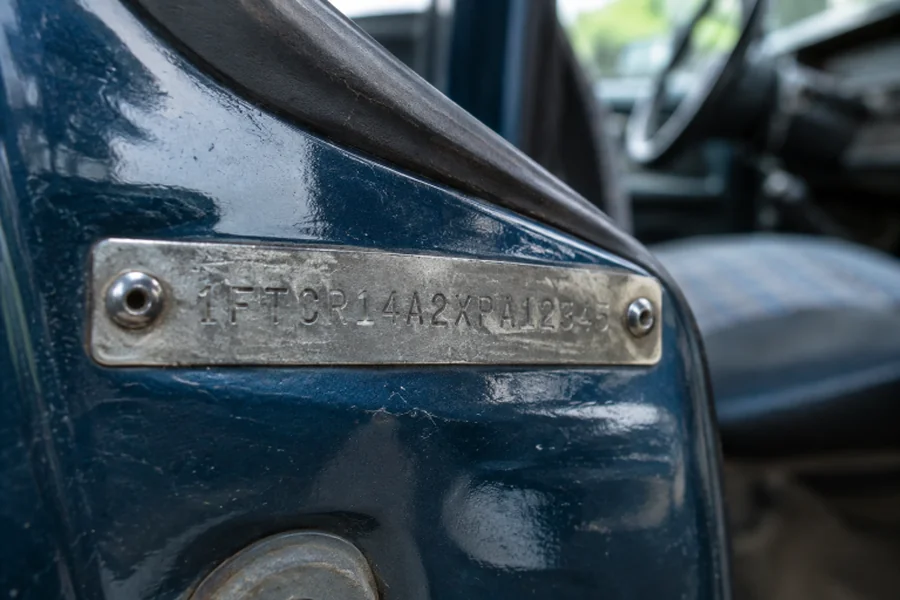
Locate the VIN before beginning any recall search. It is commonly visible through the lower driver-side area of the windshield and may also appear on the driver-side door frame, registration, title documents, and insurance card. The VIN identifies the individual vehicle, including details that can differ among pickups sharing the same year, make, and model.
Step Two: Check For Open Recalls
Use the federal VIN recall search to see whether a specific vehicle has unrepaired recalls associated with it. A VIN search is more precise than a broad model search, which can return general recalls, complaints, investigations, and manufacturer communications that may not apply to the truck in question. Check once before arranging service and again after the dealer says the work is complete. The federal database notes that very recently announced recalls may not yet include every affected VIN, and it does not show recalls that have already been repaired. For that reason, an owner who receives a mailed notice or sees unclear results should also call an authorized dealer with the VIN and recall number.
Step Three: Read The Notice Closely
Before scheduling an appointment, read the entire recall notice and identify the affected system, the potential risk, the stated remedy, and any temporary operating instructions. Notices may describe warning signs, but a driver should not wait for symptoms before acting. Some defects can occur with little or no warning. Pay particular attention to instructions such as avoiding certain vehicle uses, parking outdoors, or not driving the truck until it is repaired. If the notice directs owners to take immediate precautions, those directions should control until an authorized dealer completes the remedy.
Step Four: Schedule The Repair
Contact an authorized dealer, provide the VIN, and ask whether the needed parts are available before traveling to the service department. It is also reasonable to ask how long the repair should take, whether multiple recalls can be completed in one visit, whether transportation options are available, and whether the dealer will provide a final repair order. Keep that repair order with the truck’s maintenance records. It can help establish what work was performed, when it was completed, and whether a later symptom may involve a separate issue. A recall repair fixes the defect described in that campaign, not necessarily every condition that affects the vehicle.
What To Do If Parts Are Not Available
Some campaigns begin before replacement parts, revised procedures, or special equipment reach every dealer. Ask the dealer to note your contact information, place the vehicle on any available notification list, and provide the current safety guidance in writing. Save the recall notice, repair orders, dates of calls, photos of warning lights or damage, and receipts for towing or alternative transportation that may be relevant.
How To Document A Repeated Vehicle Problem
A concise issue log can help when a problem is intermittent. For each event, record the date, mileage, symptoms, warning lights, driving conditions, weather, repair facility, diagnosis, and result. Clear notes give technicians a better starting point, and help owners see whether a problem is repeating after multiple visits.
Buying An Older Pickup
Recall status is only one part of a carefully used-truck purchase. Before signing, request the VIN, review available service records, arrange an independent inspection, and get promises about repairs or warranties in writing. The FTC’s guidance for buying a used vehicle also emphasizes reviewing the dealer’s Buyers Guide and understanding whether the truck is offered with a warranty or “as is.”
- Ask for the VIN before visiting the seller.
- Check for unrepaired recalls.
- Review title, maintenance, and repair records.
- Use an independent mechanic for a pre-purchase inspection.
- Read all sales documents before signing.
Common Questions From Pickup Owners
Do recalls expire?
Recall records do not simply disappear because a truck is older. However, VIN tools can have limits for older campaigns, and certain information may require direct confirmation from the manufacturer or dealer. If a truck has an older recall history, ask the dealer to check the VIN in its manufacturer’s system.
Can a used-truck buyer receive a recall repair?
Recall remedies generally apply to the vehicle rather than only to the first owner. A used-truck buyer should still confirm the VIN, verify that the recall remains open, and schedule with an authorized dealer.
What if there is no open recall?
A result showing no unrepaired recall does not prove that the pickup has no mechanical, electrical, or safety-related problem. It means the search did not show an open recall for that VIN. A service history review and an independent inspection still matter.
A Simple Yearly Recall Routine
- Check the VIN at least once each year and after purchasing a used vehicle.
- Read mailed or emailed manufacturer notices promptly.
- Schedule open recall repairs as soon as practical.
- Save all notices, invoices, and repair orders.
- Update registration and manufacturer contact information after moving.
Conclusion
An older pickup does not need to become a source of uncertainty, especially when owners take the time to understand its safety history and keep important records organized. A VIN search, a careful review of any recall notice, and complete repair documentation give owners a practical way to respond when safety issues arise. Check the vehicle’s recall status regularly, particularly after purchasing a used truck or receiving a manufacturer notice, and follow any instructions provided about continued driving or available repairs. Completing an open recall promptly can help address a known safety concern, support better service decisions, and provide a clearer record of the work performed. Keep the recall notice, repair order, and completion documentation with the truck’s other maintenance records. These records can also help when discussing the vehicle with a repair facility, manufacturer, or future buyer and provide useful evidence of how the truck’s safety concerns were handled during ownership.