Scared vs Scarred: Understanding the Difference
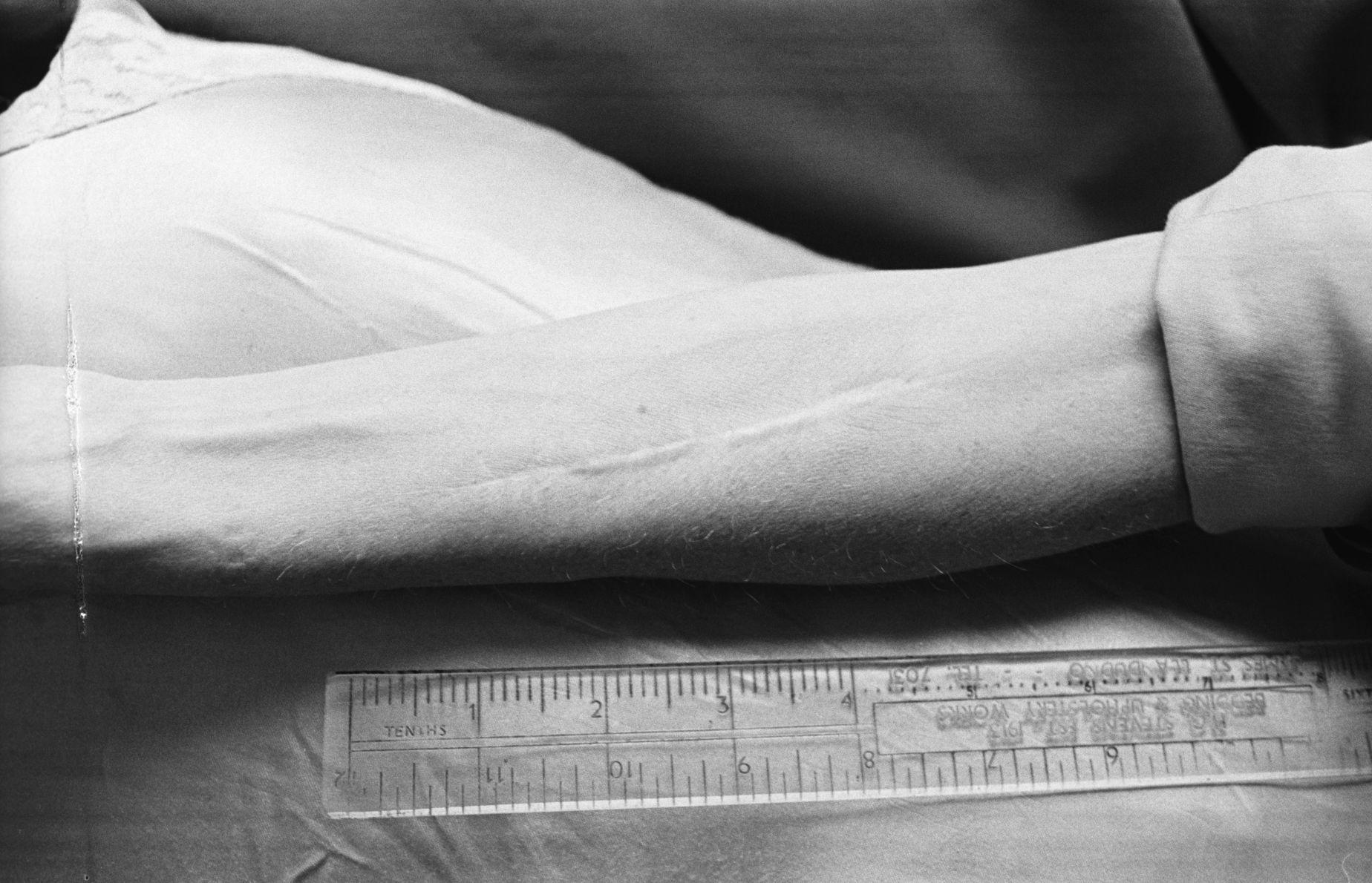
They look almost identical on the page, and in conversation they sound similar enough to blur together. But “scared” and “scarred” aren’t interchangeable, and swapping them can turn a sentence into something you didn’t mean. If you’ve ever paused over scared vs scarred, here’s the plain version: one is about fear, the other is about marks left behind.
Scared: afraid
“Scared” is an adjective meaning frightened. It’s also the past tense of the verb “to scare.” You might say, “I’m scared of heights,” or “The loud bang scared the dog.” There’s one R, and the vowel sound is a long “air,” as in “care.”
Scarred: marked or damaged
“Scarred” has two R’s. It comes from “scar,” the mark that remains after a wound heals. It’s used literally, as in “His knee was scarred from the accident,” and figuratively, as in “She was scarred by a bad breakup.” In both cases, something left a lasting mark.
The vowel sound is the long “ar,” as in “car.” If you say them side by side, you’ll hear it: scared rhymes with “paired,” and scarred rhymes with “barred.”
Why people mix them up
There are a couple of reasons. First, the words differ by only one letter. Second, in some accents the two sound close enough that listeners can’t easily tell them apart. And third, the ideas overlap in real life. A scary event can leave you scarred, so you can see why the words get tangled.
Take this sentence: “I was scared for life after that movie.” Plenty of people write it that way, but if you mean you were left with a lasting emotional mark, “scarred for life” is the idiom. “Scared for life” would just mean you were afraid for your whole life, which is an odd meaning. The usual phrase is “scarred for life.”
Pairs of examples
- “The thunder scared the kids.” (It frightened them.)
- “The fire scarred the old oak tree.” (It left marks.)
- “I’m scared of spiders.” (I fear them.)
- “He’s scarred from a childhood accident.” (He has marks.)
- “She was too scared to speak.” (Fear stopped her.)
- “The city is still scarred by the flood.” (The damage is still visible.)
A trick to keep them straight
Here’s a simple one. “Scarred” has a double R, and so does “scar,” the word it comes from. If a mark or damage is involved, use the double R. If it’s about being afraid, use “scared,” which has “scare” inside it. Scare gives scared. Scar gives scarred.
Another option: think of “scared” as having “care” inside it, as in “I don’t care to go in there.” It’s a bit silly, but silly tricks tend to stick better than rules.
The related word: scarring versus scaring
The same split carries over into the “-ing” forms. “Scaring” means frightening someone, and “scarring” means leaving marks on something. “You’re scaring me” is about fear. “The surgery left scarring on his arm” is about marks. Doubling the R shows up in the verb forms, and it’s the same logic.
When to double-check
Spell checkers won’t always catch this one, because both words are real. Your software will happily accept “scarred for life” or “scared for life” without comment. That means you have to rely on your own reading. If you’re proofing something important, read each use aloud and ask yourself whether you mean “afraid” or “marked.” For other look-alike pairs, compairro.com has short guides that are handy when you’re editing in a hurry.
Bottom line
Scared means afraid. Scarred means marked, physically or emotionally. One R versus two is the entire difference, and once you tie the double R to the word “scar,” you won’t mix them up again.