The Hidden Networks That Keep Smart Cities Running
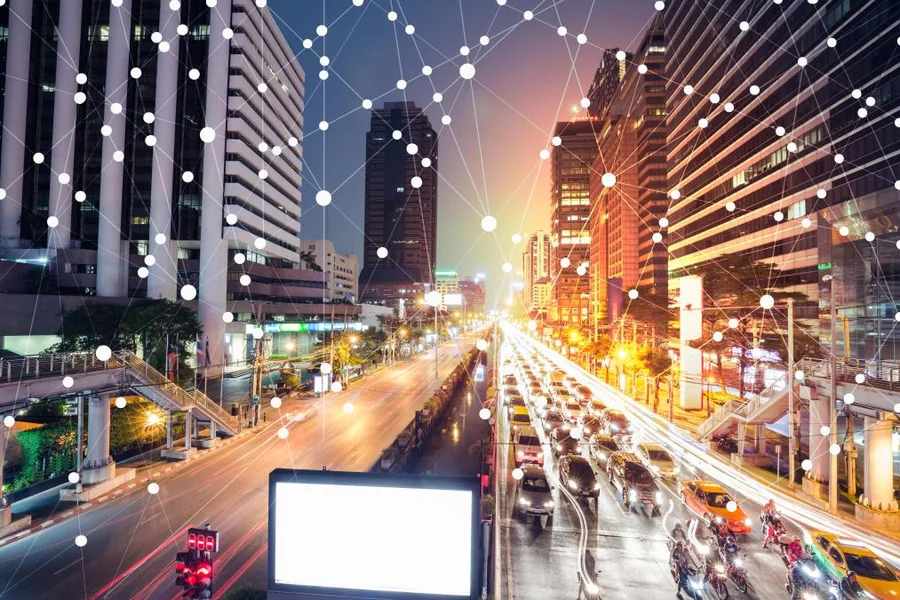
Every time a traffic light adjusts to a rush-hour surge, or a security camera streams footage from a train platform to a control room, a quiet chain of hardware is doing the heavy lifting. Most people never think about it. We see the camera, the road sign, or the app on our phone, but not the cables, switches, and converters that move data from one point to another in a fraction of a second.
As cities, campuses, and businesses lean harder on connected systems, that hidden layer has become one of the most important parts of modern infrastructure. Here is a look at what it is, why it matters, and where it is heading.
What “Connected Infrastructure” Actually Means
When people talk about smart cities, they usually picture sensors and dashboards. The real story, though, is in the network that links them together. A single intersection might include several cameras, vehicle detectors, signal controllers, and a digital message sign. Each device generates data, and all of it has to travel reliably to a central system.
That is where industrial networking comes in. Unlike the router in your living room, equipment used outdoors or in critical facilities has to survive heat, cold, vibration, dust, and power fluctuations. Purpose-built options, such as Comnet solutions for video surveillance and transportation networks, include switches and fiber transmission gear designed specifically for these demanding conditions.
The difference matters. A home network that drops for a few seconds is an annoyance. A traffic management network that drops during a storm can create real safety problems.
Why Video Surveillance Drives So Much Network Demand
Video is one of the heaviest types of data any network carries. A single high-resolution IP camera can produce a steady stream of several megabits per second, and many modern systems run hundreds or even thousands of cameras at once. Airports, stadiums, rail stations, and city centers rely on these systems for both safety and day-to-day operations.
To keep all of that footage flowing, networks need:
- Enough bandwidth to handle continuous video streams without lag
- Power over Ethernet (PoE), so cameras can receive power and data through one cable
- Long-distance links, often over fiber, to connect cameras spread across large sites
- Redundancy, so if one path fails, the video keeps moving through another
This is why the conversation around surveillance has shifted. It is no longer just about camera quality. The network behind the camera is often what decides whether a system works when it is needed most.
Fiber, Copper, and the Distance Problem
Standard Ethernet cabling works well up to about 100 meters. That covers most office floors, but it falls short on highways, rail lines, ports, and large industrial campuses where devices can sit kilometers apart.
Fiber optic cable solves this. It carries data over long distances with very little signal loss and is immune to electrical interference, which is useful near power lines or heavy machinery. The catch is that many devices, including most cameras, still use copper Ethernet ports.
Media converters bridge that gap. They translate signals between copper and fiber, letting organizations mix existing equipment with newer long-range links. It is a simple idea, but it allows a city to extend its network across miles of roadway without replacing every device along the way.
Smart Transportation Depends on Reliable Data
Intelligent transportation systems, often called ITS, are one of the clearest examples of networking in action. These systems include adaptive traffic signals, electronic tolling, ramp meters, incident detection cameras, and digital road signs. Together they help reduce congestion, shorten emergency response times, and keep drivers informed.
All of it depends on data arriving on time. If a camera spots a stalled vehicle, that information has to reach an operator quickly enough to warn approaching traffic. If signal timing data is delayed, intersections lose the benefit of adaptive control.
Roadside cabinets make this harder. Equipment inside them can face scorching summers and freezing winters with little or no climate control. Hardened networking gear rated for wide temperature ranges is standard in these settings, because a failure in one cabinet can affect an entire corridor.
Data Centers Need Physical Security Too
Data centers get plenty of attention for their servers and cooling systems, but physical security is just as important. These facilities hold sensitive information for businesses, governments, and cloud providers, so they are protected by layers of cameras, access control, intrusion detection, and perimeter monitoring.
The security network in a data center is often kept separate from the main data network. This separation limits risk, since a problem on one network does not automatically spread to the other. Security devices also tend to sit in areas without climate control, like perimeter fences, loading docks, and parking structures, so the equipment supporting them has to be just as rugged as what you would find on a highway.
As data center construction keeps growing to meet demand for AI and cloud computing, the need for dependable security infrastructure is growing right alongside it.
How AI Is Raising the Stakes
Artificial intelligence is changing how video and sensor data gets used. Instead of a person watching dozens of screens, analytics software can now flag unusual activity, count vehicles, read license plates, or detect smoke. It is part of a broader shift in how intelligent technology shapes communication, where automation handles routine monitoring and people focus on the decisions that need human judgment.
Better analytics put more pressure on networks. Higher-resolution cameras feed better data to AI models, which means more bandwidth. Some processing now happens at the edge, close to the camera, which eases the load on central systems but adds new hardware to manage in the field. Either way, the network has to be fast, stable, and secure for any of it to work.
Cybersecurity Starts at the Network Level
As more physical systems connect to networks, they also become potential targets. A poorly secured camera or traffic controller can become a doorway for attackers. That makes network design a security issue, not just a performance one.
Common practices include:
- Segmenting networks so critical systems stay isolated
- Using managed switches that support monitoring and access control
- Keeping firmware up to date
- Limiting which devices are allowed to talk to each other
Purchasing rules are tightening as well. In the United States, for example, Build America, Buy America (BABA) requirements set domestic sourcing standards for many federally funded infrastructure projects, which affects the equipment agencies can buy for roads, transit, and utilities.
What Comes Next
Several trends are shaping the next few years of connected infrastructure:
- Higher bandwidth everywhere. 4K cameras and multi-sensor devices are becoming standard, pushing networks toward gigabit and faster links at the edge.
- More fiber. As costs fall, fiber is reaching further into networks, in some cases all the way to individual devices.
- Smarter edge devices. More processing will happen near the source, reducing the amount of raw data sent across networks.
- A sharper focus on resilience. Extreme weather and cyber threats are making redundancy and hardened equipment a priority rather than a luxury.
- Sustainability. Energy-efficient networking and smarter PoE power management are getting more attention as organizations track their environmental impact.
The Bottom Line
The technology people notice, like cameras, sensors, and smart signs, only works because of infrastructure they never see. Switches, fiber links, and media converters are not glamorous, but they decide whether a city’s traffic system adapts in real time or whether a security team sees an incident as it unfolds.
As the world becomes more connected, the quality of that hidden layer will matter more, not less. The next time a traffic light changes at exactly the right moment, there is a good chance a well-designed network made it possible.