Who Is Responsible After a T-Bone Collision?
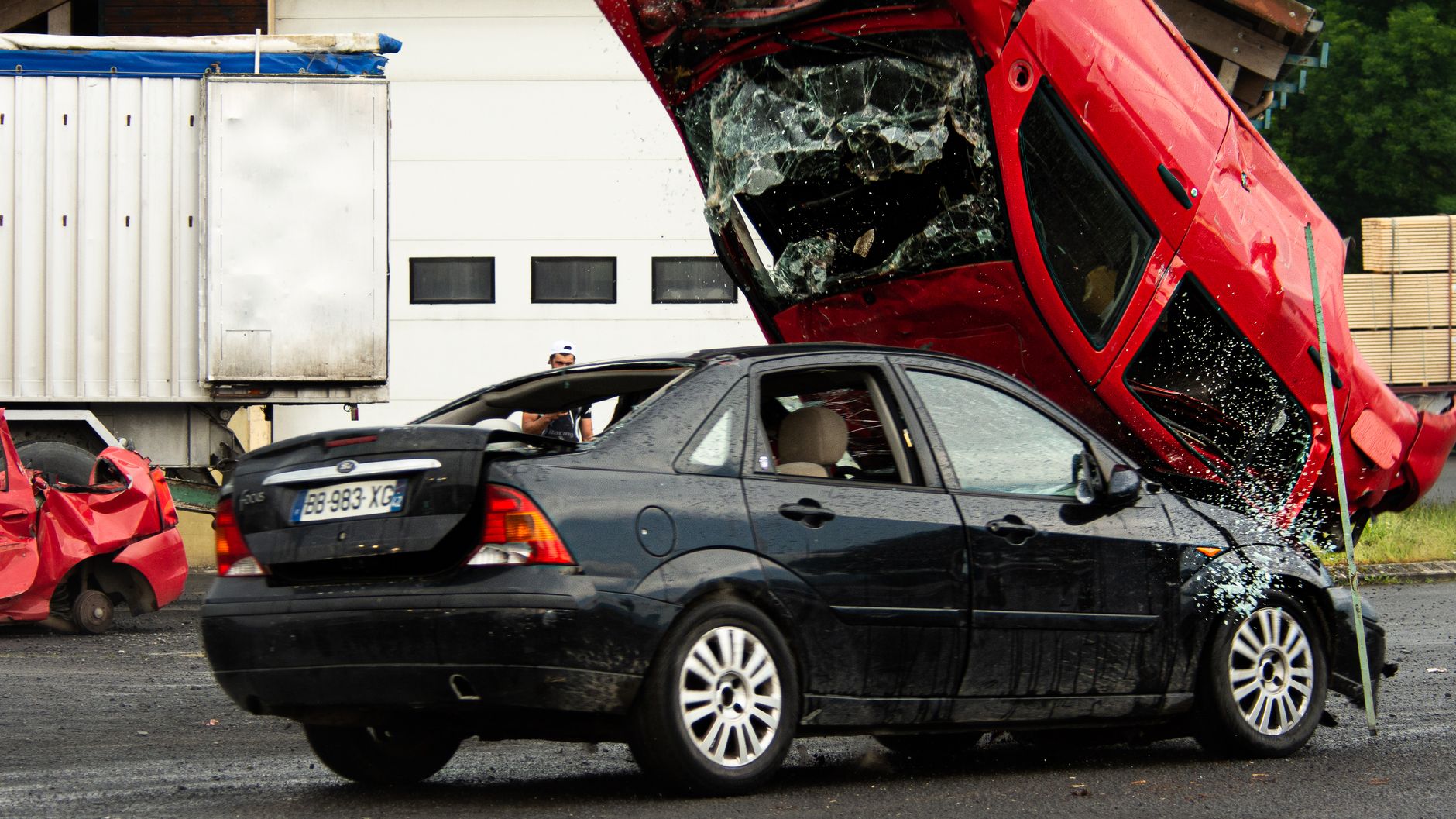
A t-bone collision happens when the front of one vehicle strikes the side of another, forming a “T” shape. These wrecks are especially dangerous because a car’s doors and side panels offer little protection compared with the front or rear.
Injuries are often serious, and the question of blame can shape a whole claim. Here is how responsibility is usually assigned, who else may be involved, and what recovery may look like.
Right of Way Is the Central Question
When it comes to liability in t-bone car accidents, the focus is rarely on which car hit the other. What matters most is which driver had the legal right to enter the intersection.
Only one driver can hold that right at a given moment. The driver who failed to yield is typically viewed as the at-fault party.
Proving that can be tricky. Intersections often leave limited physical evidence, so investigators lean on driver accounts and witness statements.
This is where claims can run into trouble. The other driver’s insurer may try to gather statements that shift blame onto you. Speaking with an experienced car accident lawyer early can help keep your claim on solid footing.
Can a Driver With the Right of Way Still Share Fault?
Yes. Having the right of way does not excuse careless behavior. Fault may be divided when that driver:
- Cut across multiple lanes before the collision
- Drove at night without headlights
- Went well over the posted speed limit
- Was distracted by a phone or text message
- Was impaired by alcohol or drugs
Each of these can lower the compensation a person is able to collect. That is why both drivers’ actions deserve a close look.
Other Parties That May Be Liable
Driver error is not always the whole story. Sometimes a third party contributed to the crash.
Poor Repairs and Maintenance
A shop that improperly services brakes, tires, or lights can set the stage for a collision. If a mechanical problem helped cause the wreck, the business responsible for that work may share liability for the harm that followed.
Faulty Traffic Signals
Broken or malfunctioning signals create another possibility. When a signal fails or displays conflicting lights, two drivers can each believe they are free to go.
In that situation, the government agency that maintains the signals may carry part of the responsibility. These cases are not common, but they show why every detail of a crash should be examined.
Compensation That May Be Available
People hurt in a t-bone collision may seek two broad types of damages. The amount depends on the severity of the injuries and how they have affected daily life.
Economic Damages
These are the concrete, measurable costs, such as:
- Hospital and medical treatment
- Wages lost while out of work
- Vehicle repair or replacement
- Rehabilitation and physical therapy
- Future medical and prescription expenses
Receipts, pay records, and repair estimates can back these up, which usually makes them the simpler portion of a claim to calculate.
Non-Economic Damages
These cover harm that does not come with a price tag, including:
- Physical pain and suffering
- Emotional distress
- Loss of companionship
The more lasting or life-altering the injury, the more weight these damages tend to carry.
Injuries Common in Side-Impact Crashes
There is very little space between an occupant and the point of impact in a side collision. As a result, blunt force trauma to the head and chest is common. Injuries may include fractures, internal bleeding, traumatic brain injuries, and spinal cord damage.
A driver who spots the other vehicle in time may be able to steer away and reduce the force of the hit. Often, though, there is no warning at all.
How Legal Representation Can Help
Recovering from a serious t-bone crash can mean long treatment, rising bills, and missed paychecks, all while trying to show what really happened at the scene.
A knowledgeable attorney can investigate the crash, collect witness statements, and consult accident reconstruction experts when needed to pinpoint fault.
Legal counsel can also take over dealings with insurance companies. Adjusters are trained to keep payouts low, and an experienced negotiator knows how to build a strong case and reject unfair offers.
If you were hurt in a side-impact wreck, a personal injury law firm can explain your rights and walk you through the process. You can review the practice areas a firm handles and check its office locations to find help near you.