Supporting Heavy Industry Through Better Resources
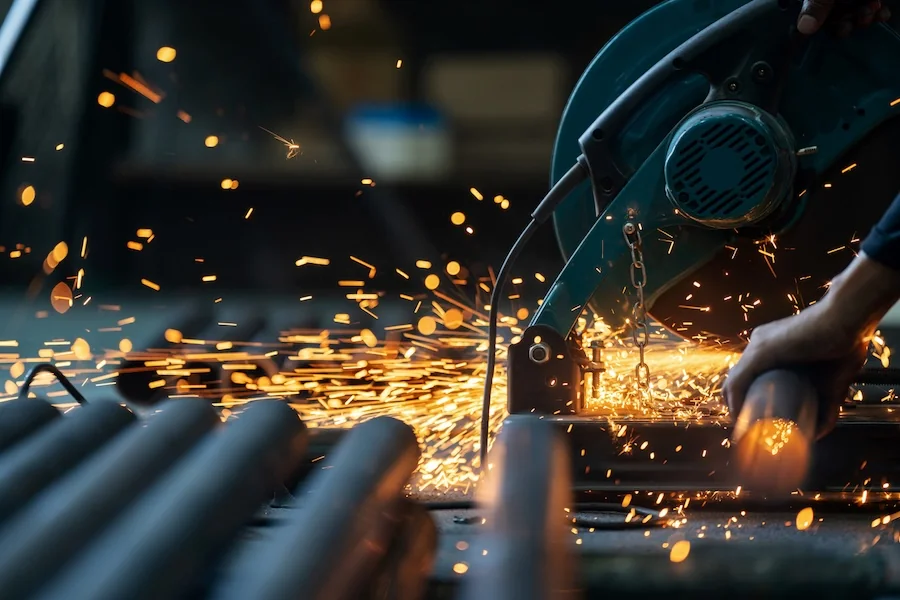
Heavy industry plays a pivotal role in the economic and infrastructural development of any nation. It encompasses sectors such as steel production, shipbuilding, heavy machinery manufacturing, and mining, all of which require robust resources and specialised inputs to maintain efficiency and growth. Ensuring that these industries have access to reliable and high-quality materials directly impacts their productivity, safety, and environmental compliance.
The Importance of Reliable Resource Supply in Heavy Industry
Heavy industry operations demand vast quantities of raw materials and industrial gases for processes like welding, cutting, and chemical treatments. Consistency in supply quality and availability can prevent costly downtime and enhance operational stability. This makes the management of resources an integral aspect for companies operating within this sector.
Industrial gases, in particular, hold significant importance in heavy industry settings. Acetylene, for example, is essential for oxyacetylene welding and cutting applications due to its high flame temperature. Access to dependable acetylene tank supply ensures that manufacturing and repair works proceed without interruption.
Challenges Faced by Heavy Industry in Resource Procurement
One of the primary challenges faced by heavy industry is sourcing materials that meet stringent technical specifications. Inconsistent quality can lead to suboptimal product performance or even equipment failure. Additionally, fluctuating market prices and supply chain disruptions add layers of complexity to resource procurement strategies.
Furthermore, environmental regulations are becoming increasingly rigorous. Heavy industries must adapt by opting for cleaner and more sustainable inputs to reduce their environmental footprint. This shift often requires a reevaluation of traditional resource suppliers and methods to incorporate greener alternatives.
Ensuring Safety and Compliance through Quality Resources
Safety remains a top priority in heavy industry due to the involvement of high-risk processes and heavy machinery. The use of inferior quality materials can increase the likelihood of accidents, equipment malfunction, and hazardous incidents. Industrial gases like acetylene are flammable and potentially explosive, making the need for certified and well-maintained tanks critical.
Acquiring a regulated acetylene tank supply from companies that adhere to safety standards ensures compliance with occupational health and safety requirements. This not only protects workers but also safeguards the facility and surrounding environment.
The Role of Supplier Partnerships in Industrial Success
Heavy industries benefit significantly from establishing long-term partnerships with resource suppliers. These partnerships guarantee consistent delivery, technical support, and tailored solutions matching unique production needs. Suppliers who understand specific industry requirements can propose products and services that enhance efficiency and cost-effectiveness.
Additionally, reliable suppliers often provide logistical advantages such as prompt delivery schedules, emergency supply options, and inventory management assistance. These services help industries maintain steady operations even amidst demand surges or unforeseen disruptions.
Technological Advances Influencing Resource Utilisation
Modern heavy industries leverage technology to optimise resource utilisation. Techniques such as automated monitoring, predictive maintenance, and process control systems can improve how industrial gases and other materials are consumed. For instance, accurate measurement of gas flow rates and consumption helps prevent wastage and reduces operational costs.
Technological integration also facilitates better tracking and quality assurance of resources. This means that industries can anticipate supply needs and detect anomalies early, ensuring uninterrupted production cycles.
Environmental Impact and Sustainability Considerations
With global emphasis on sustainability, heavy industries must balance production demands with environmental responsibility. Choosing resource suppliers who prioritise eco-friendly practices and offer products with lower environmental impact is increasingly vital. The use of efficient acetylene tank supply plays a role in minimising energy consumption and emissions during welding and cutting processes.
Best practices in waste management and resource recycling also contribute towards reducing the collective environmental footprint. Some suppliers now offer take-back schemes, specialised recycling programmes, and energy-efficient product variants, enabling industries to adhere to sustainability goals.
Training and Knowledge Enhancement for Industry Workers
Successful utilisation of advanced resources depends heavily on the personnel operating heavy industry equipment. Regular training sessions and certification programs ensure workers are familiar with the safe handling and proper usage of materials such as acetylene gas. Well-informed employees contribute to reduced hazard instances and enhanced operational productivity.
Strategic Implementation of Resource Management
To maximise resource efficiency, heavy industries often implement strategic resource management frameworks. These include inventory optimisation, supplier evaluation, and cost-benefit analyses. A systematic approach enables companies to identify better sources, negotiate favourable contracts, and reduce waste while maintaining the quality standards necessary for heavy industry applications.
Benefits of Upgrading Resource Supplies
Upgrading access to superior resources brings multiple benefits such as improved product quality, enhanced safety, reduced operational costs, and compliance with regulatory standards. Investing in premium acetylene tank supply exemplifies such an upgrade, facilitating cleaner cuts, stronger welds, and smoother manufacturing processes.
The Future Outlook for Heavy Industry Resource Supply
Changing global dynamics, including technological innovation, environmental policies, and economic fluctuations, will shape the future of resource supply in heavy industries. Suppliers who can adapt by offering innovative, sustainable, and reliable products will support industries in overcoming upcoming challenges and capitalising on new opportunities.
In conclusion, reliable and quality resource supply fundamentally supports the effective operation and growth of heavy industries. The provision of specialised industrial gases such as acetylene, sourced through dependable suppliers, plays a critical role in maintaining production continuity and safety. Industries that prioritise resource optimisation, safety, environmental responsibility, and strategic supplier partnerships will be well-positioned to thrive in a competitive global environment.