How to Measure a Yard of Mulch Without Guessing
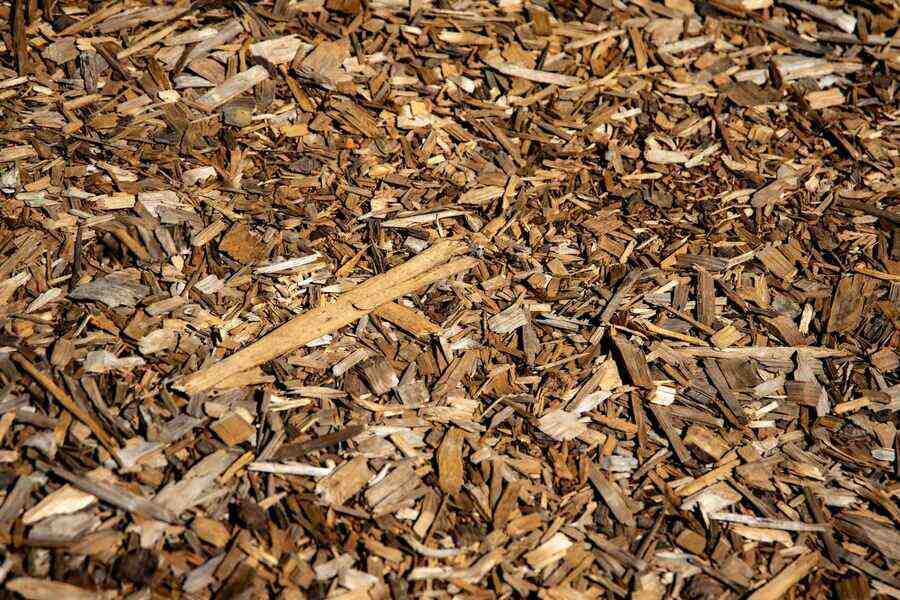
Last spring a neighbor ordered four yards of hardwood mulch for two front beds. By Sunday afternoon he had a driveway full of leftovers, a tarp that never got folded, and a pile he stared at every morning for a month. He needed two and a half yards.
Bulk mulch math is simple, but almost nobody does it before they call the yard. You can skip the estimate and learn the hard way, or you can run the numbers in about four minutes and order once. I’d rather you order once.
The short version: a cubic yard covers roughly 100 square feet at three inches deep. Everything else is a variation on that one number. If you want to skip the arithmetic entirely, the mulch calculator from Mulch Barn Supply does the conversion for you once you know your bed dimensions and target depth.
Why bulk mulch math trips up so many homeowners
Bagged mulch trains you to think in bags. Bulk mulch forces you to think in volume, and volume is where the guesswork creeps in. You eyeball a bed, picture a pile, and order something that feels about right. Feels is not a unit of measurement.
The other trap is depth. People pick a depth because it sounds professional, not because the bed needs it. Three inches is the working default for most beds, but an existing bed that already has a thin layer might want two inches, and a fresh bed over bare soil might want four.
Depth compounds fast. Double the depth and you double the yards. Going from two inches to four inches on the same 400 square foot bed takes you from about 2.5 yards to about 5 yards. That’s a full extra truckload for a decision you made in five seconds.
The 100 square foot rule that does most of the work
Here is the baseline worth memorizing. One cubic yard covers about 100 square feet at roughly three inches deep. That’s the industry working figure, and it holds across mulch, topsoil, and compost because volume is volume.
So your bedtime math becomes a division problem. Measure length times width for each bed, add the totals, then divide by 100. A 30 by 5 foot strip is 150 square feet, which lands at 1.5 yards at three inches thick. You just did the whole calculation on a notepad.
Curved beds and kidney shapes are where tape measures give up. Break the curve into rectangles and triangles, measure each one, add them. Or walk the edge with your phone’s map tool and use the drawn area. Either approach gets you within a few tenths of a yard, which is plenty.
Does mulch depth change for different beds?
Yes, and this is the part most calculators quietly ignore. Depth is a judgment call about what’s under the mulch, not a fixed setting.
- Established beds with existing mulch: two inches to refresh the look and top up what’s broken down.
- Beds over bare soil: three to four inches to suppress weeds while root systems establish.
- Beds around shallow-rooted shrubs: two inches, kept a few inches back from the trunks.
- Play areas and high-traffic pathways: three to four inches, since foot traffic compresses the surface.
My own rule: never go above four inches in one shot. Deep mulch holds moisture against stems and can starve soil of air, which is exactly the outcome you’re trying to prevent. If you need more depth than that, top up again next season instead of piling it on now.
Converting square footage into cubic yards
The formula is length times width times depth in feet, divided by 27. Twenty-seven is the number of cubic feet in a cubic yard. That’s the only magic number in this whole process.
If you’d rather not hold decimals in your head, work in inches for depth and convert at the end. Take square footage, multiply by depth in inches, then divide by 324. That gets you cubic yards directly. It sounds fussy until you’ve done it once.
Bed area
2 inches deep
3 inches deep
4 inches deep
100 sq ft
0.6 yd
1.0 yd
1.2 yd
250 sq ft
1.5 yd
2.3 yd
3.1 yd
500 sq ft
3.1 yd
4.6 yd
6.2 yd
1,000 sq ft
6.2 yd
9.3 yd
12.3 yd
The Environmental Protection Agency keeps a useful reference on yard trimmings and mulch in its composting guidance. The takeaway worth carrying into your order is simple: mulch is a resource worth sizing correctly, and leftovers are not free.
How much mulch actually fits in your truck?
This is where a lot of DIY projects fall apart. You calculate two and a half yards, then realize your friend’s pickup can hold two.
A standard six foot bed holds about two yards. An eight foot bed holds about three. Those are loose volume estimates for a level load, and they assume you’ve thought about weight, which is the sneaky constraint. Mulch runs lighter than soil, but a yard of topsoil weighs roughly a ton, so a half loaded truck can already be riding low.
Three practical options, ranked by how much hassle they add to your Saturday: Plan the timing too: fresh mulch protects beds through the cold months, one of the things first-time homeowners should know before their first winter.
- Delivery to the driveway. Best for anything over two yards. You wheelbarrow it to the beds and the truck bed stays clean.
- Two trips with a pickup. Fine for small jobs, brutal if the yard is 40 minutes away and you’re doing it alone.
- Bulk bags or a rented trailer. Worth it when access is tight or your vehicle has no business near a gravel yard.
I’d take delivery every time once the order clears two yards. The fuel and the sore back cost more than the delivery fee.
Before you order, run this checklist
Ten minutes here saves an entire weekend of shovel work.
- Measure every bed, including the odd strip along the fence you keep forgetting.
- Write down the depth per bed, not one blanket number for the whole yard.
- Round up to the nearest quarter yard. Slight overage beats a second trip.
- Confirm your truck capacity or schedule the delivery window.
- Clear the drop spot. A pile on the lawn kills grass faster than any weed.
- Check what’s already there. Old mulch that’s broken down to muck means you may need less than you think.
One more texture note that only shows up in practice: fresh double shredded hardwood settles differently than dyed mulch, and a pile left in the sun for a week shrinks in appearance before it shrinks in volume. Don’t let that visual trick send you back to the yard for a second scoop.
Order the right amount the first time
Bulk buying rewards the people who measured and punishes the ones who guessed. You now have the 100 square foot rule, the depth table, the truck capacity limits, and a checklist. That’s everything you need to turn a vague spring project into a specific order.
The kind of person who pulls up a calculator before ordering is also the kind of person who finishes the project before lunch. Where’s your tape measure right now?