How Lake St. Louis Homeowners Can Cut HVAC Costs Without Sacrificing Comfort
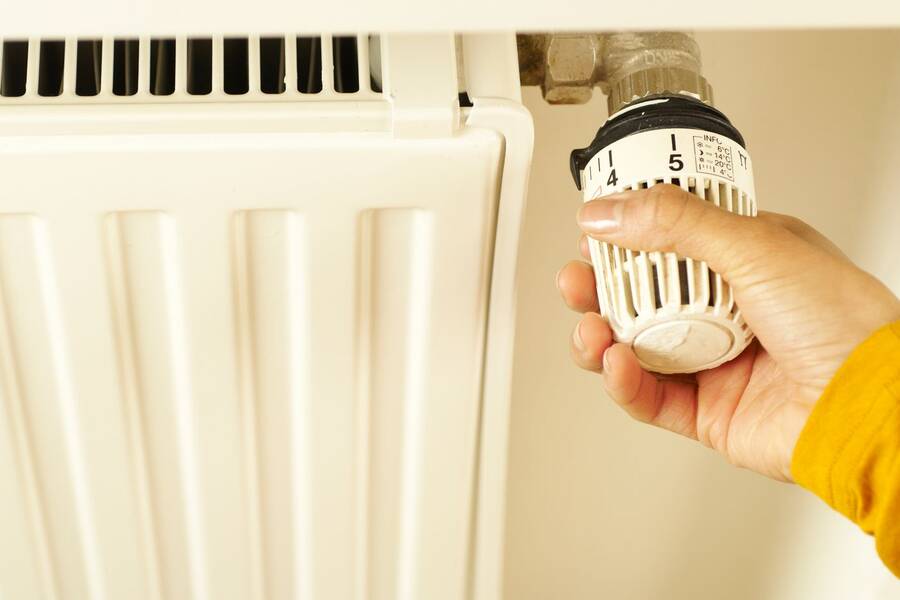
Most homeowners assume the fix is a new system. It usually is not. Nine times out of ten, the biggest comfort complaint in a Lake St. Louis house traces back to one of four cheap things: a filter nobody changed, a thermostat fighting a schedule, a return duct starved for air, or a window that leaks like a screen door. Before you sign a five figure replacement quote, run the boring checks.
You live in a specific climate. St. Charles County swings from humid July afternoons to hard January freezes, and your equipment works harder across that range than it would in a milder place. That means small inefficiencies compound faster here. If you want the short version of this whole guide, it is this: get your system inspected by someone who actually lives and works in the area, because gutters and cheap fixes only carry you so far. Homeowners comparing local options often start with Superior Service in Lake St Louis, MO, and that kind of local call makes a difference when the problem turns out to be regional, like oversized equipment or a return duct sized for a smaller house.
Let’s walk through what to check, in the order that actually saves you money.
Start With the Five Point Comfort Audit
I run this same sequence on every house before anyone talks about new equipment. It takes one afternoon and a cheap thermometer.
- Filter and airflow. Pull the filter and hold it to a light. If you can’t see through it, you’ve been paying to fight your own ductwork. Most homes need a change every one to three months.
- Thermostat schedule. Open the app or the menu and read the program out loud. If it’s still set to the factory default, that’s your first free win.
- Room by room temperature check. Close the doors and take readings in each room at the same hour. A five degree gap between rooms isn’t normal.
- Door and window seals. Run your hand along the frames on a windy day. You’ll find the culprit fast.
- Attic and basement clues. Look for dusty insulation, sagging ducts, and condensation. Those clues point to what’s happening upstairs in the living space.
Write your findings down. You’ll want that list whether you hire someone or handle it yourself. Judging by how often the same three issues show up in a typical house, the list is almost always shorter than people expect.
What Actually Drives Your Bill Up Here
Air sealing and insulation matter, and according to the U.S. Department of Energy, heating and cooling take the largest single bite out of a typical home energy budget. That’s a general baseline, but it holds up in practice around here. The local twist is humidity. A system that cools fine but never pulls moisture out of the air will feel clammy at 74 degrees and comfortable at 78 in a drier climate. If your house feels sticky at a temperature where a friend’s place feels fine, you’re dealing with a latent load problem, not a temperature problem.
Here’s my honest opinion: do not chase a bigger air conditioner. Too many homeowners get talked into a larger unit that short cycles, leaves humidity behind, and dies early. Ask whoever quotes you to measure the actual heat load. If they skip that step and go off square footage alone, that’s a red flag worth taking seriously.
Should You Repair or Replace?
Use three questions.
- How old is the unit, and has it been serviced at all?
- Is the failure in the compressor or heat exchanger, or in a part that’s cheap to swap?
- What did the last two repair bills cost you?
You can’t automate that decision with a rule of thumb, no matter how many blogs promise one. A fifteen year old furnace with a dead blower motor is different from a fifteen year old furnace with a cracked heat exchanger. If two technicians tell you the same thing, believe them. If they disagree, get a third opinion. Sealing the house often does more, which is why replacement windows are a smart quiet upgrade for many suburban homes.
Hire Local, and Ask for a Real Diagnostic Report
A nationwide chain can dispatch a tech, but they can’t tell you how the water table and soil conditions in your part of St. Charles County affect your equipment over time. They also won’t know which neighborhoods have trouble with specific brands. This is where local knowledge pays off. The Bureau of Labor Statistics tracks the trades as a major source of skilled employment, and yes, the labor market is tight. Ask for a technician who lives close enough to care about their reputation in the community.
When the visit happens, ask for a written report with readings, not just a verdict. A good technician will show you the filter, the readings, and a photo of anything they want to replace. If you get a verbal estimate and a shrug, ask again.
Carve Out a Maintenance Season, Not a Panic Call
Nobody schedules HVAC help for fun. That’s the point. If you put one maintenance visit on the calendar in early fall, you’ll spend an afternoon of planning instead of a weekend in a cold house. I’d pick the fall slot every time, because a pre-winter check catches the heat exchanger issues and blower problems before they strand you when the temperature drops to single digits.
Then leave a small budget aside for the one emergency that will happen anyway. Any house with a system more than a decade old is going to surprise you at least once. A maintenance plan with a local company usually makes that surprise cheaper and faster to resolve, since you’re already in the queue.
Common Questions From Lake St. Louis Homeowners
How often should I change my filter?
Monthly in summer if you have pets or anyone in the house with allergies; every two to three months otherwise. Anyone who tells you once a year is doing the math wrong.
Why is my upstairs always hotter than my downstairs?
In most two story homes here, it’s duct design and air balancing, not the AC itself. Start with dampers and returns before you replace equipment. If the gap is big enough to bother you daily, get an airflow assessment rather than a new unit quote.
Does a higher SEER rating always save me money?
It saves you money on the label, not always on the bill. A high efficiency unit installed on undersized or leaky ducts can underperform a mid range system installed well. You pick the installer, not the brochure. This is not a small distinction.
How do I know if a company is trustworthy?
They’ll offer a written scope, a clear diagnostic report, and a straight answer when a repair isn’t necessary. Any company that pushes a full replacement before inspecting the ducts isn’t giving you advice. They’re selling.
Where to Start This Week
Run the five point audit. If your checklist comes back clean after the filter swap and thermostat schedule reset, you’ve probably saved enough to cover one of the diagnostics that real problems need. If it comes back messy, call a Lake St. Louis HVAC company that will give you a written read on what’s actually wrong, not a quote for the system they want to sell you.
Now the part I care about: what did your own audit turn up? Pull the filter out and take a look before you close this tab. If it’s gray all the way through, you’ve just found your first free win.