How to Build a Flexible Everyday Wardrobe With Fewer, Better Tops
A flexible wardrobe starts with clothes that suit the life you actually lead, not an imagined version of it. Choosing a smaller group of comfortable, adaptable tops for women can make weekday dressing simpler while still leaving room for color, texture, and personal style.
The goal is not to own a strict number of items or wear the same outfit every day. It is to choose tops that pair easily with the bottoms, layers, shoes, and settings already present in your routine.
Why Fewer Tops Can Work Better
A packed closet can still feel limiting when many pieces are too similar, uncomfortable, difficult to care for, or hard to pair. A smaller collection with distinct purposes makes it easier to see your options. The idea behind a capsule wardrobe is to combine coordinating pieces into multiple outfits, but your own version does not need a fixed number of items. It only needs to work for you.
Start With Real Life
Before adding anything, look at the previous two weeks. Which tops did you reach for repeatedly, and which stayed unworn? Consider your work or school schedule, time spent at home, typical social plans, climate, and laundry routine. A person who washes clothes weekly needs a different rotation than someone who does laundry less often.
Also consider the moments when getting dressed feels hardest. You may need breathable layers for warm afternoons, polished knitwear for video calls, or easy, casual tops that pair well with jeans. Identifying those repeat situations gives each purchase a clearer purpose.
Choose Core Top Styles
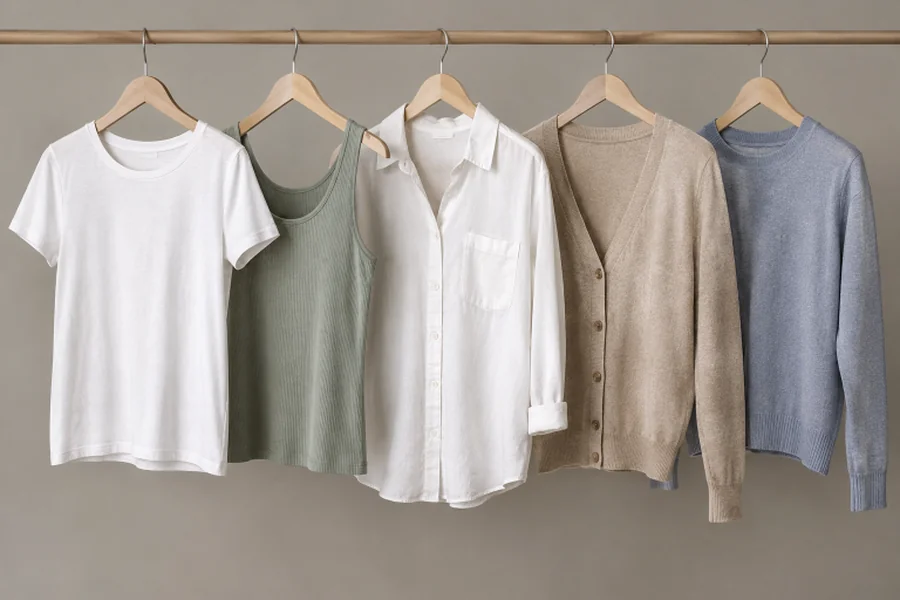
A useful wardrobe usually includes a range of silhouettes, fabric weights, and formality levels. Rather than buying every category at once, choose the types that solve the most frequent dressing needs.
- Everyday basics:Tees, tanks, and simple short-sleeve tops for relaxed outfits and layering.
- Light layers:Button-front shirts, overshirts, and cardigans that can be worn open or closed.
- Warm options:Long-sleeve tops, sweaters, and refined knits for cooler days.
- Polished pieces:Collared shirts, blouses, or smooth knit tops for work and dinners.
- Personality pieces:A stripe, favorite color, interesting texture, or memorable neckline that feels like you.
Build a Simple Color Plan
Color connection helps a smaller wardrobe make more sense. Start with two or three base colors, such as black, cream, navy, charcoal, denim blue, tan, or brown. Then add one or two supporting shades and a few accents you enjoy wearing. For example, navy, white, gray, tan, and soft green can create many calm combinations without making every outfit identical.
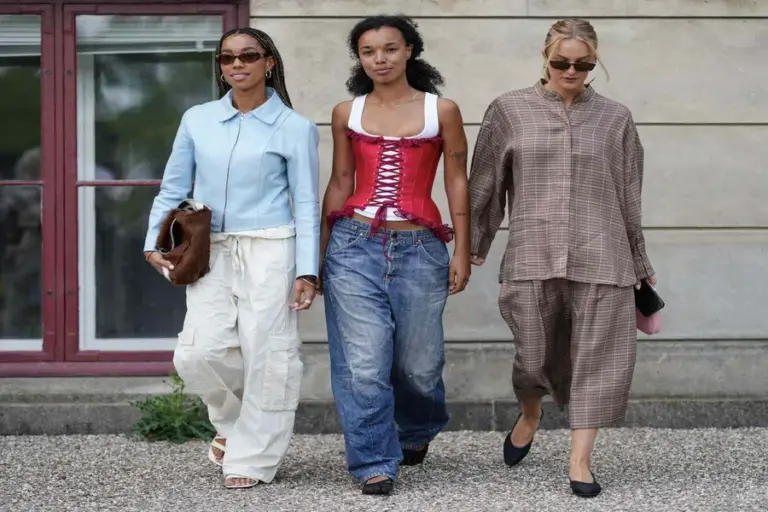
Trend inspiration can be useful, but it should not overrule wearability. Recent spring 2026 fashion coverage includes practical pieces such as button-downs and cargo pants, which can easily fit into an everyday wardrobe when their colors and proportions work with what you own.
Use Layering to Add Variety
Layering is one of the simplest ways to make one top work harder. A fitted tee can look casual with denim, more intentional under an open shirt, and polished beneath a cardigan or jacket. Mixing lengths and textures helps, too. Try a smooth base layer with a textured knit, or a soft tank with a structured overshirt.
- Begin with a base layer that feels comfortable all day.
- Add a second piece with a different shape, length, or texture.
- Use an outer layer to shift the outfit from relaxed to polished.
- Finish with shoes and accessories that match the setting.
Check Fit and Fabric
A top can be attractive on a hanger and still become an ignored purchase if it restricts movement, needs constant adjustment, or does not suit your care routine. Test fit by lifting your arms, sitting down, and checking the neckline and hem with the bottoms you wear most.
- Make sure shoulder seams, sleeves, and chest feel comfortable when moving.
- Check whether the hem works tucked, untucked, or layered.
- Look at lighter fabrics in natural light to assess transparency.
- Read the care label before buying, especially for knits and delicate fabrics.
- Consider breathability, warmth, wrinkling, stretch, pilling, and recovery after wear.
Try Easy Outfit Formulas
Outfit formulas reduce decision fatigue by giving you a reliable starting point. Change the colors, shoes, or outer layer to make each formula feel fresh.
- Simple top + relaxed pants + sneakers:Great for errands, travel, and casual days.
- Fitted top + wide-leg trousers + structured layer:A polished everyday option.
- Tank or tee + open shirt + denim:An easy combination for mild weather.
- Knit top + skirt + boots:A comfortable choice for cooler days.
- Collared top + jeans + loafers:Balanced for casual workplaces and lunch plans.
Use a Smarter Shopping Checklist
Before buying, use the three-outfit test. Picture the top with three bottoms already in your closet. Then imagine wearing it in at least two settings, such as work and a weekend outing. Finally, check whether it works with your usual layers and shoes. If no clear outfits come to mind, it may be a near-duplicate rather than a useful addition.
Care for Tops So They Last
Simple care habits can help favorite pieces stay wearable. Follow garment labels, wash in cold water when the label allows, and air-dry delicate or stretchy items when practical. Fold knits instead of hanging them for long periods, repair loose buttons or small seams early, and rotate frequently worn tops so that no single item receives all the wear.
Common Questions
How Many Tops Should a Flexible Wardrobe Have?
The right number depends on climate, laundry frequency, work needs, and personal preferences. Start with enough options to cover your normal week, then adjust when you notice genuine gaps.
Should Every Top Be a Neutral Color?
No. Neutrals make mixing easier, but accent colors, stripes, and subtle patterns can make outfits feel more personal. Choose them with the rest of your wardrobe in mind.
How Can a Small Wardrobe Avoid Looking Repetitive?
Change proportions, layers, shoes, accessories, and textures before buying more clothes. The same top can look noticeably different tucked into trousers, worn loose over denim, or layered beneath a cardigan.
When Should a Top Be Replaced?
Replace a top when stains will not lift, the fabric has thinned significantly, seams have stretched beyond repair, the fit no longer works, or you repeatedly avoid wearing it.
Conclusion
A practical wardrobe is built around real routines rather than strict rules. When your tops feel good, pair easily with existing clothes, and suit more than one occasion, getting dressed becomes faster and more flexible. Fewer, better choices can still leave plenty of room for variety and style.