The Growing Appeal of Gourmand Perfume
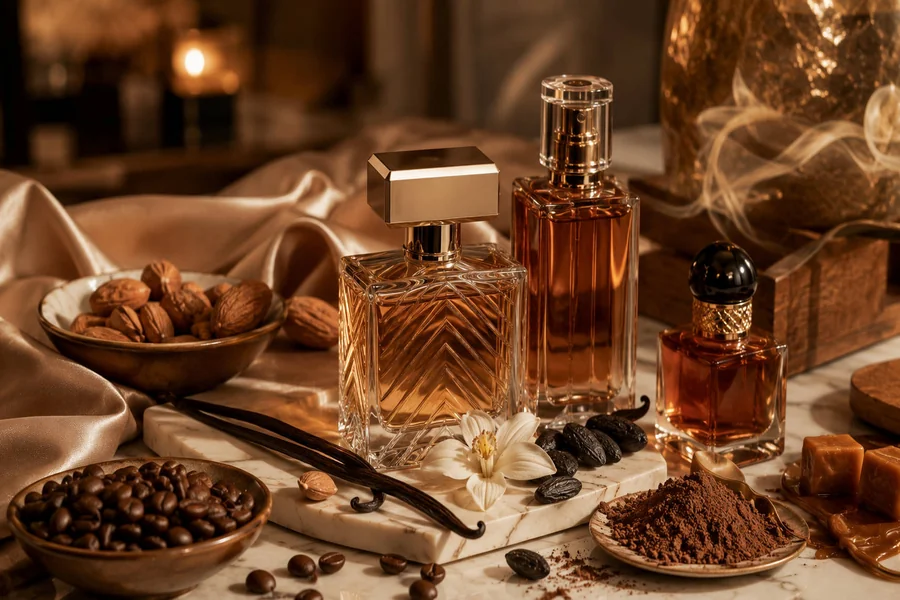
Fragrance trends continue to evolve as people seek scents that express their personalities and create memorable impressions. Among the categories gaining attention is gourmand perfumery, known for compositions inspired by familiar edible aromas and comforting sensory experiences. While vanilla, caramel, and chocolate are recognizable examples, modern gourmand scents extend far beyond sugary notes. They combine unexpected ingredients, contrasting textures, and sophisticated accords to create fragrances with depth and individuality.
Why Gourmand Scents Are About More Than Sweetness
Gourmand fragrances are often associated with warm, sweet notes, but sweetness is only one part of their appeal. These compositions can incorporate spices, woods, amber, musk, and florals to create a more balanced scent profile. A vanilla accord, for example, may feel creamy and soft in one fragrance, while blending with smoky woods or aromatic spices in another.
The appeal of gourmand perfumery also comes from its ability to evoke memories and emotions. Certain aromas may remind people of favorite foods, familiar places, or cozy moments, making fragrance feel especially personal. However, a gourmand perfume does not have to smell like a dessert. Some compositions use edible inspired notes as subtle accents, adding warmth and texture to otherwise woody, floral, or musky fragrances.
For anyone interested in discovering the range of this category, exploring gourmand perfume options offers an opportunity to compare different interpretations. Some scents emphasize rich, enveloping notes, while others balance sweetness with freshness or earthy elements. The result is a fragrance family with enough variety to suit different preferences and occasions.
The Evolution of Gourmand Fragrances Beyond Traditional Perfume
Modern perfumery continues to challenge expectations about how fragrance should smell and how it should be worn. Gourmand compositions are part of this evolution, appearing in combinations that move beyond traditional sweet profiles. Notes such as roasted coffee, salted caramel, creamy vanilla, and warm amber can create complexity, while unexpected floral or herbal elements introduce contrast.
The format of a fragrance can also influence the experience. Spray perfumes remain a familiar option, but alternative formats offer different ways to incorporate scent into everyday routines. Solid perfume, for instance, provides a portable alternative to liquid sprays. Its compact format can make application convenient when traveling or refreshing a fragrance during the day.
Choosing a scent often comes down to personal taste, the setting, and how a fragrance develops on the skin. Some people prefer a subtle composition that stays close, while others gravitate toward richer aromas with a more noticeable presence. Testing fragrances over time can reveal how the opening notes transition into the heart and base, helping distinguish an initially appealing scent from one that remains enjoyable throughout the day.
Browsing a broader selection of fragrances can help fragrance enthusiasts explore styles beyond their usual preferences. Comparing scent families, formats, and ingredient combinations makes it easier to discover unexpected favorites.
The growing appeal of gourmand perfumery reflects a wider interest in expressive, layered scents. By combining familiar comforting notes with unexpected ingredients and contemporary fragrance formats, modern gourmand compositions offer new ways to experience a category that continues to evolve.