How to Plan a Spain Itinerary That Feels Rich, Relaxed, and Personal
Key Takeaways
- Spain is best explored through a few well-chosen bases rather than a rushed list of cities.
- Your interests, whether food, art, beaches, history, or nature, should shape the route.
- Travel days require more time than the journey itself.
- High-speed rail is useful on many major-city routes, while buses and cars can be better beyond them.
- Season matters, especially for walking-heavy city visits and southern destinations.
- Space for long meals, neighborhood walks, and rest often makes a trip more memorable.
Start With Your Trip Style
Spain can support almost any kind of vacation, from a museum-focused city break to a slow coastal escape built around markets, beach time, and late dinners. Before choosing stops, decide what you want the trip to feel like. Browsing Spain tour packages can also help travelers see how cities, historic towns, and coastal areas can fit together without turning every day into a transfer.
Choose two or three priorities before opening a map. Art lovers may center their plans on Madrid, Barcelona, or Bilbao. Travelers drawn to Moorish-era architecture may prefer Andalusia. Those seeking seafood, green landscapes, and a cooler atmosphere may lean toward the north. This simple decision gives the itinerary a purpose and prevents popular destinations from taking over the whole trip.
Choose the Right Number of Bases
Fewer hotel changes usually create a more enjoyable itinerary in Spain. A transfer involves packing, getting to the station or airport, storing luggage, checking in, and finding your bearings. Even a short rail journey can use much of a day once those details are included.
- Five to seven days: Focus on one region, or use two connected city bases.
- Eight to ten days: Plan two or three bases with a clear route between them.
- Eleven to fourteen days: Add a fourth base only when it does not create backtracking.
- Three weeks or longer: Combine major cities with a slower regional stay, island time, or a northern loop.
Match Spanish Regions to Your Interests
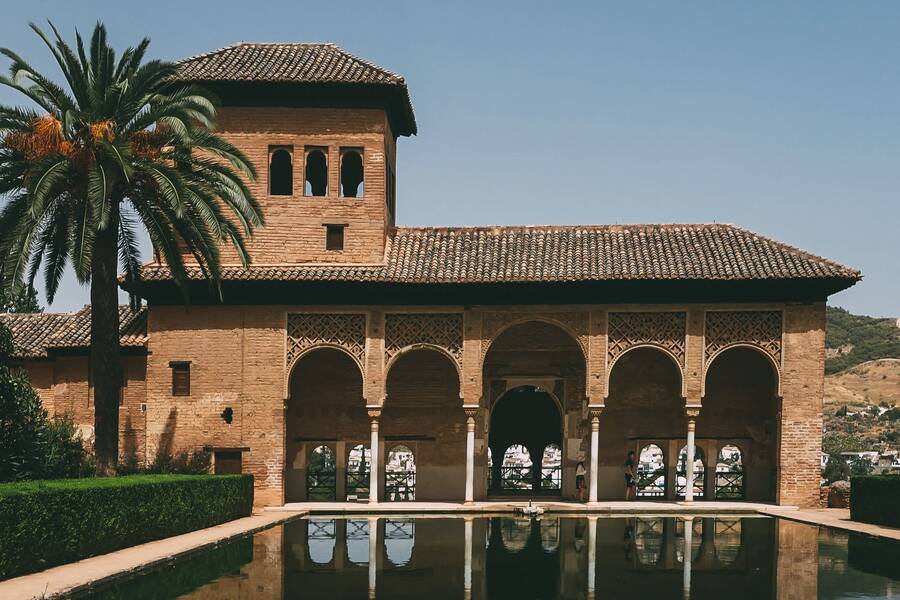
Spain is not one uniform travel experience. Madrid offers major museums, broad parks, traditional neighborhoods, and practical day-trip options. Barcelona combines distinctive architecture, urban beaches, markets, and a lively street culture. Seville, Córdoba, and Granada create a rewarding southern route for travelers seeking historic centers, palaces, plazas, and regional cuisine.
Regional ideas to consider
- Art and museums: Madrid, Barcelona, and Bilbao work well with three or more nights in each main base.
- Food and wine: Consider the Basque Country, La Rioja, Valencia, or Andalusia, with time reserved for meals rather than tightly scheduled sightseeing.
- History and architecture: Madrid, Toledo, Seville, Córdoba, and Granada can form a focused cultural route.
- Beaches and outdoor time: The Mediterranean coast, the northern coast, the Balearic Islands, and the Canary Islands reward longer stays and fewer moves.
Spain’s depth of heritage makes selective planning especially valuable. Its World Heritage properties include the Alhambra in Granada, the historic center of Córdoba, works by Antoni Gaudí in Barcelona, and the old town of Santiago de Compostela. Choose the sites that fit your route rather than attempting to collect them all.
Build a Logical Route
A good route generally moves in one direction. An open-jaw flight, arriving in one city and departing from another, can reduce unnecessary returns to the same airport. For example, Barcelona, Madrid, and Andalusia can work as a north-to-south sequence when flight options suit the traveler.
Check the full route before reserving hotels. Two places may look close on a map but have a slow or indirect connection. A realistic plan also avoids placing a major attraction immediately before a fixed long-distance departure.
Plan Transportation Carefully
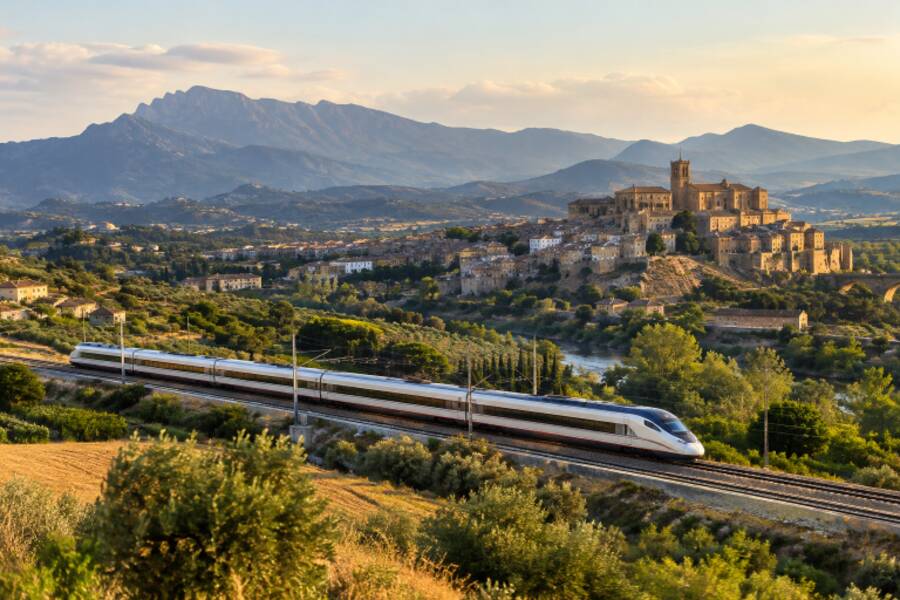
Trains are often convenient between large cities, particularly when both stations are central. Spain’s rail, bus, and domestic flight networks each offer distinct advantages, and the best choice depends on the specific connection, not just the distance. The official guide to getting around Spain is useful for comparing rail, road, and air travel across major destinations.
- Use trains for direct city-to-city journeys with central stations.
- Use buses where smaller towns lack a simple rail connection.
- Consider a rental car for rural villages, vineyards, mountain roads, or dispersed coastal stops.
- Avoid keeping a car in major cities unless it serves the next part of the route.
Make Room for Food, Culture, and Free Time
A satisfying day often needs only one major sight, one flexible activity, and time with no reservation at all. That open space can become a lingering lunch, a market visit, a shaded plaza, or an evening walk through a neighborhood that was never on the original list.
Food should influence the route as much as famous landmarks do. Tapas traditions in Andalusia, pintxos in the Basque Country, rice dishes in Valencia, and seafood along the coast reflect local ingredients and customs. Let regional meals be part of the experience rather than treating every dinner as a quick stop between attractions. Travelers who eat plant-based can also look at the rise of vegetarian hotels when choosing where to stay.
Adjust Your Itinerary by Season
- Spring: A strong season for historic centers, gardens, day trips, and outdoor sightseeing.
- Summer: Well suited to beaches, islands, and evening-oriented city plans. Schedule midday outdoor activities carefully in hot inland areas.
- Fall: A good choice for cultural routes, food-focused travel, and city walking.
- Winter: Useful for museums and city breaks, although weather varies greatly between coastal, inland, and mountain areas.
Avoid Common Planning Mistakes
- Adding too many cities to a short visit.
- Booking accommodation before confirming realistic travel times.
- Scheduling a full day after an overnight international flight.
- Ignoring heat when planning outdoor visits.
- Leaving timed-entry attractions until the last minute.
- Assuming every rail route is direct.
- Skipping unplanned time between reservations.
- Choosing every stop because it is popular rather than personally meaningful.
Use Flexible Trip Frameworks
- Seven days: Madrid with a nearby day trip, or Barcelona with a coastal extension.
- Ten days: Madrid, Seville, and Granada, with room for one day trip or rest day.
- Ten days with coast time: Barcelona, Valencia, and a longer beach-focused stay.
- Fourteen days: Barcelona, Madrid, Andalusia, and one smaller regional stop.
- Three weeks: Major cities combined with northern Spain, inland towns, or an island stay.
Complete a Final Planning Check
- Does each base have enough time to feel worthwhile?
- Are long transfer days clearly identified?
- Does the route avoid unnecessary backtracking?
- Are major attractions open on the intended dates?
- Does the season suit the planned activities?
- Is there room for meals, rest, and spontaneous discoveries?
- Does the itinerary reflect your real interests?
Conclusion
The best Spain itinerary is not the one with the most pins on a map. It is the one that balances culture, food, landscapes, and practical travel time. Pick a clear route, stay long enough to settle into each place, and leave room for the unexpected moments that make Spain feel personal rather than rushed.