
When Is the Right Time to Remove a Tattoo?
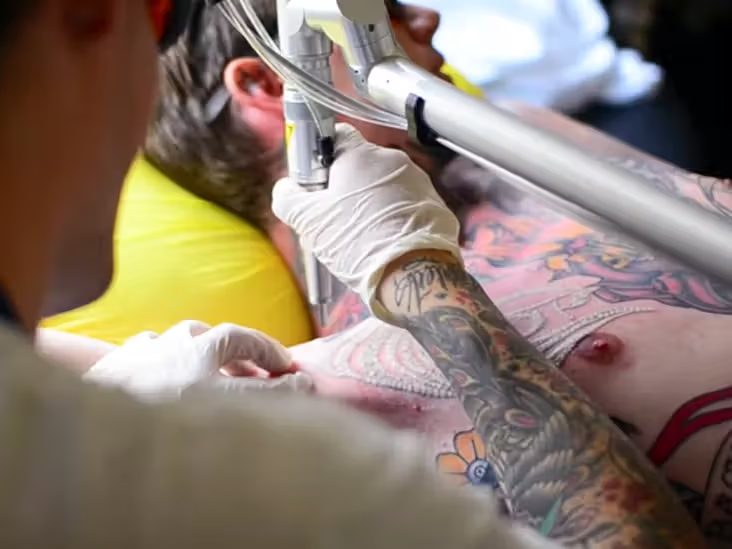
Deciding to remove a tattoo rarely happens overnight. Maybe the ink has faded unevenly after a decade, or a name on your forearm no longer matches who shares your life. Whatever the reason, timing affects both how well the removal works and how smoothly the process goes. Here's how to figure out when you're actually ready.
How Long You've Lived With the Tattoo Matters
Tattoo regret tends to follow a pattern. Studies on tattoo removal patients show that many people wait between five and ten years before deciding to remove or significantly alter a piece. That gap isn't accidental — it usually takes time to be certain a decision isn't just a passing mood.
If you got a tattoo within the last year and already regret it, it's worth sitting with that feeling a bit longer before scheduling removal. Skin also needs time to fully heal and settle, which affects how the ink sits and how a laser will respond to it. Rushing into removal on a fresh tattoo can lead to uneven results and unnecessary scarring risk.
Signs the Tattoo No Longer Fits Your Life
Some signals are more reliable than others. A tattoo tied to a job you no longer want, a relationship that ended, or a phase of life you've outgrown are common and valid reasons to move forward. If you find yourself covering it up constantly, avoiding certain clothing, or feeling a small jolt of discomfort every time you see it in the mirror, those are practical indicators that removal might improve your daily life rather than just your appearance.
On the other hand, if the hesitation is mostly about pain or cost rather than the tattoo itself, that's a different conversation. Removal isn't instant or cheap, so the motivation needs to be strong enough to carry you through multiple sessions.
Health Considerations That Affect Timing
Certain health conditions and medications change how your skin responds to laser treatment. Pregnancy is one of the clearest reasons to wait — most providers won't perform removal on pregnant patients due to the lack of research on safety during pregnancy. Skin conditions like eczema or psoriasis flaring in the tattooed area are also reasons to delay until things calm down.
Sun exposure plays a bigger role than most people expect. Tanned or sunburned skin absorbs laser energy differently, increasing the risk of blistering or discoloration. If you've been sunbathing heavily or just got back from a beach trip, give your skin a few weeks to return to its normal tone before starting treatment.
Seasonal and Lifestyle Factors to Weigh
Fall and winter are often the most practical seasons to begin removal. Treated skin needs to stay out of direct sunlight and covered for weeks after each session, which is far easier to manage when you're already wearing long sleeves and avoiding beach days. Starting in September or October also means you can complete several sessions before summer rolls around again.
Removal typically requires six to twelve sessions spaced six to eight weeks apart, depending on ink color, depth, and location on the body. That means a full course of treatment can take a year or more. If you're planning a wedding, a new job, or another event where you want clear skin, count backward from that date and build in extra time for unexpected delays.
For anyone researching providers locally, tattoo removal services in Albany, NY offer the advantage of consistent, nearby appointments, which matters more than people expect once you're six sessions into a yearlong process. Sticking to a schedule with a provider close to home makes it far easier to stay consistent.
What Happens If You Wait Too Long
There's no biological deadline that makes a tattoo impossible to remove, but older ink sometimes responds differently. Tattoos that have faded naturally over 20 or 30 years can actually be easier to treat, since there's less pigment for the laser to break down. However, scar tissue, sun damage, and changes in skin elasticity over time can complicate treatment and may require a specialist with more experience in handling textured or aged skin.
Waiting isn't inherently bad, but it does mean checking in with a provider periodically rather than assuming nothing has changed.
Questions to Ask Before Booking Your First Session
Before committing, ask a provider how many sessions they estimate for your specific tattoo, what laser technology they use, and what the aftercare routine looks like. Ask about pricing per session rather than a flat quote, since most practices charge based on the size and complexity of the piece. Find out what their policy is on missed appointments, since gaps longer than ten weeks between sessions can affect results.
The right time to remove a tattoo isn't marked by a specific birthday or anniversary. It's the point where your reason for wanting it gone is clear, your skin and health are in good condition to handle treatment, and you have a realistic timeline that fits your life. Once those three things line up, there's little benefit in waiting any longer.